

People Analytics is changing how organizations understand and manage their workforce. Instead of relying only on experience, assumptions, or gut feeling, companies are now using employee data to make better and more informed decisions. This approach helps businesses understand what is really happening inside their teams and why certain outcomes occur.
As workplaces grow more complex, managing people has become more challenging. Leaders need to hire the right talent, keep employees engaged, reduce turnover, and improve performance—all while ensuring fairness and transparency. People Analytics helps achieve these goals by turning employee data into meaningful insights.
This guide is designed for beginners who want to understand People Analytics from the ground up. Whether you are an HR professional, manager, business owner, or student, this blog will help you understand what People Analytics is, why it matters, and how to get started step by step.
What Is People Analytics?

People Analytics is the practice of collecting, analyzing, and interpreting employee-related data to improve workforce decisions. It focuses on understanding employee behavior, performance, and trends using data rather than assumptions.
People Analytics helps organizations answer important questions such as why employees leave, what makes high performers successful, and how engagement affects productivity. It uses data to support decisions related to hiring, performance management, learning, and retention.
People Analytics is also known by several other names that mean nearly the same thing:
- HR Analytics
- Workforce Analytics
- Talent Analytics
At its core, People Analytics works by gathering data from different HR systems, organizing that data, analyzing patterns, and using the insights to guide actions. The goal is not just to report numbers but to improve outcomes for both employees and the organization.
Why People Analytics Matters for Modern Businesses
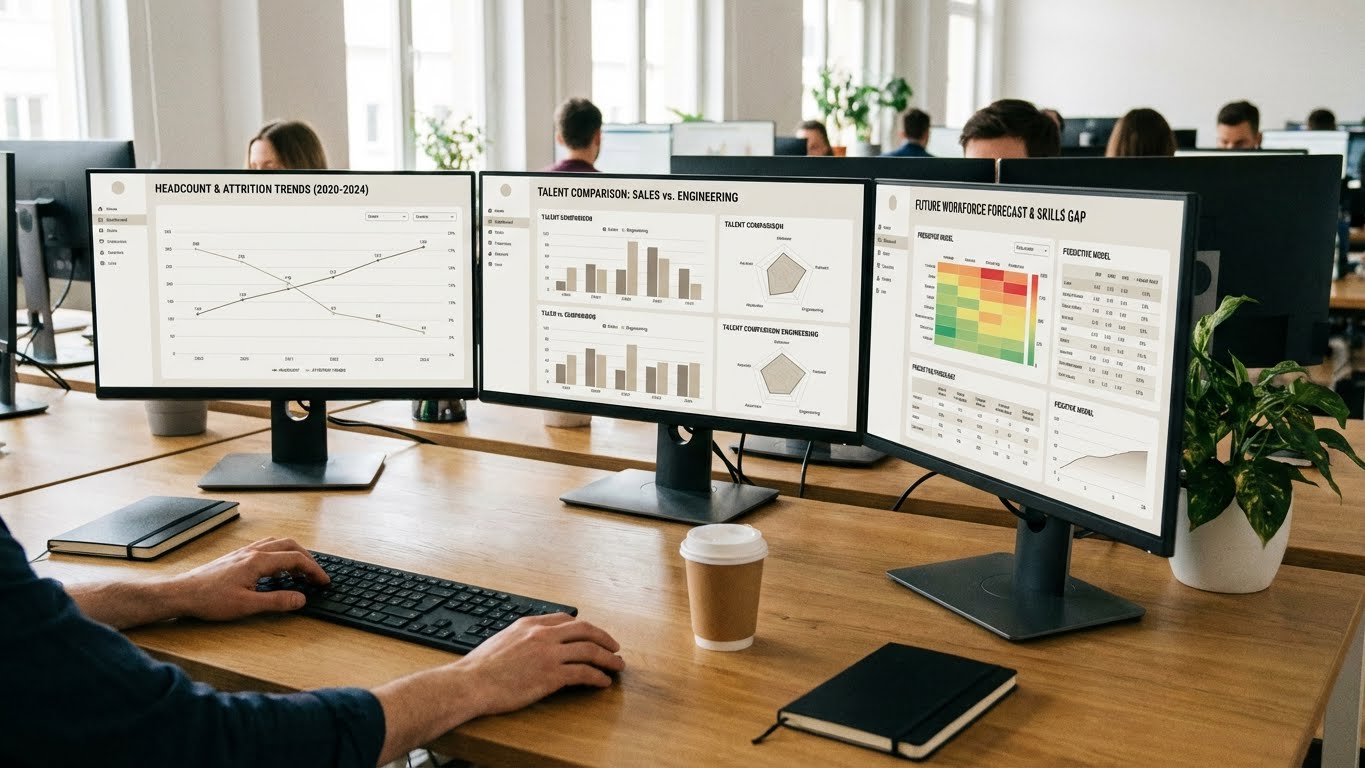
People Analytics matters because people are one of the most important assets of any organization. Poor people-related decisions can lead to high turnover, low morale, and reduced productivity.
Traditional HR decisions were often based on intuition, limited reports, or past experience. While experience is valuable, it can also introduce bias and inconsistency. People Analytics adds objectivity and clarity to decision-making.
It improves accuracy by:
- Using real data instead of assumptions
- Identifying patterns that are not visible manually
- Reducing bias in hiring and evaluations
It also supports fairness by ensuring decisions are based on measurable factors rather than personal opinions. Over time, this leads to better employee satisfaction, stronger performance, and healthier organizational growth.
Key Objectives of People Analytics
The main purpose of People Analytics is to help organizations make better workforce decisions. These objectives focus on improving both employee experience and business results.
- Improving hiring quality by identifying what makes candidates successful
- Reducing employee turnover by understanding why people leave
- Enhancing employee performance through data-driven insights
- Improving employee engagement by measuring sentiment and motivation
- Supporting workforce planning by predicting future talent needs
Each objective focuses on solving real people-related challenges using data instead of guesswork.
Types of People Analytics
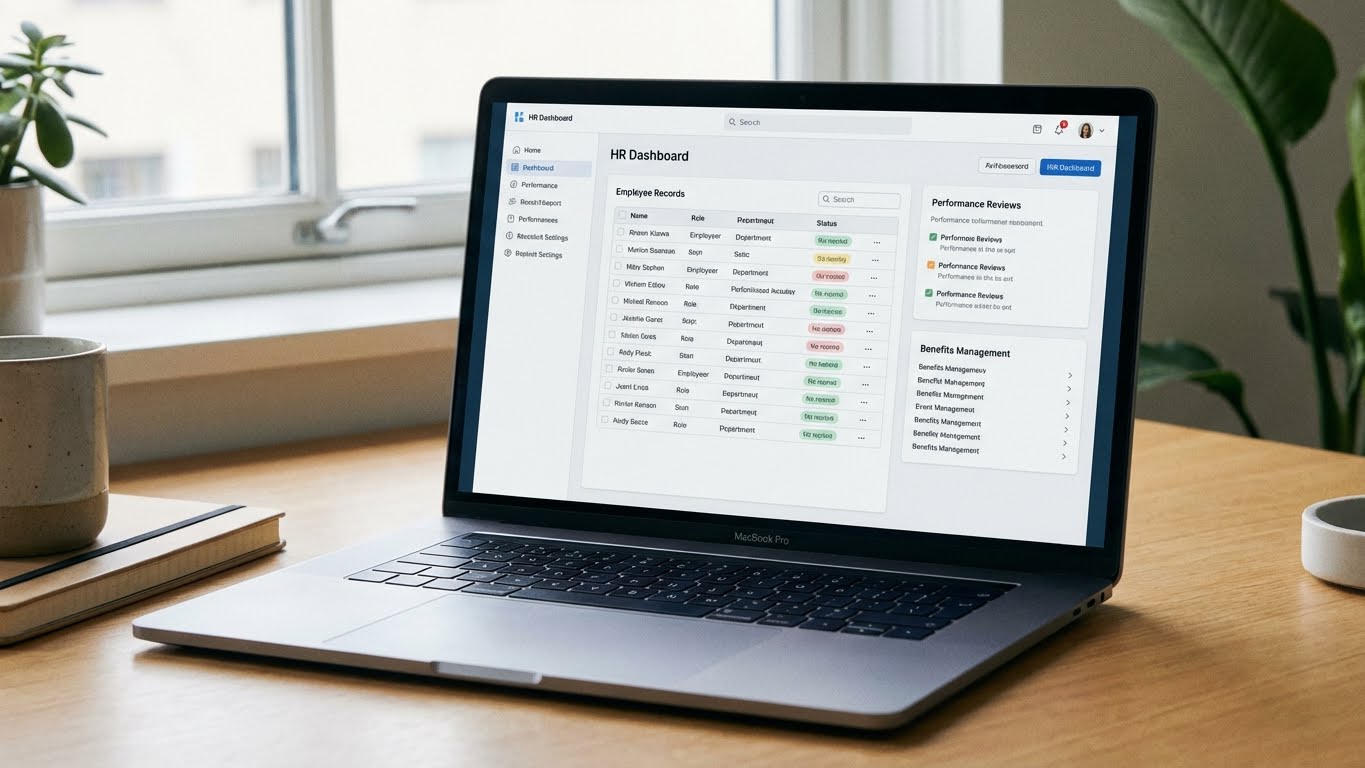
Different types of People Analytics answer different kinds of questions. Together, they help organizations understand the past, present, and future of their workforce.
Descriptive People Analytics
Descriptive People Analytics focuses on understanding what has already happened in the organization. It summarizes historical data in a clear and simple way.
- Tracks past workforce trends
- Provides basic metrics and reports
- Helps understand the current state of HR data
Examples include tracking attrition rates, attendance patterns, or headcount changes over time.
Diagnostic People Analytics
Diagnostic People Analytics goes one step further by explaining why something happened. It looks for relationships and root causes behind workforce outcomes.
- Identifies reasons behind employee turnover
- Explains performance gaps
- Helps uncover underlying problems
For example, it can help understand why a specific department has higher attrition than others.
Predictive People Analytics
Predictive People Analytics focuses on what is likely to happen in the future. It uses historical data to identify patterns and forecast outcomes.
- Predicts employee turnover risks
- Forecasts future hiring needs
- Anticipates performance or engagement issues
This helps organizations prepare in advance rather than reacting too late.
Prescriptive People Analytics
Prescriptive People Analytics recommends actions based on data insights. It helps decide what should be done to achieve better results.
- Suggests retention strategies
- Recommends hiring or training actions
- Supports decision-making with data-backed options
This is the most advanced form of People Analytics and directly supports strategic planning.
Common Data Sources Used in People Analytics
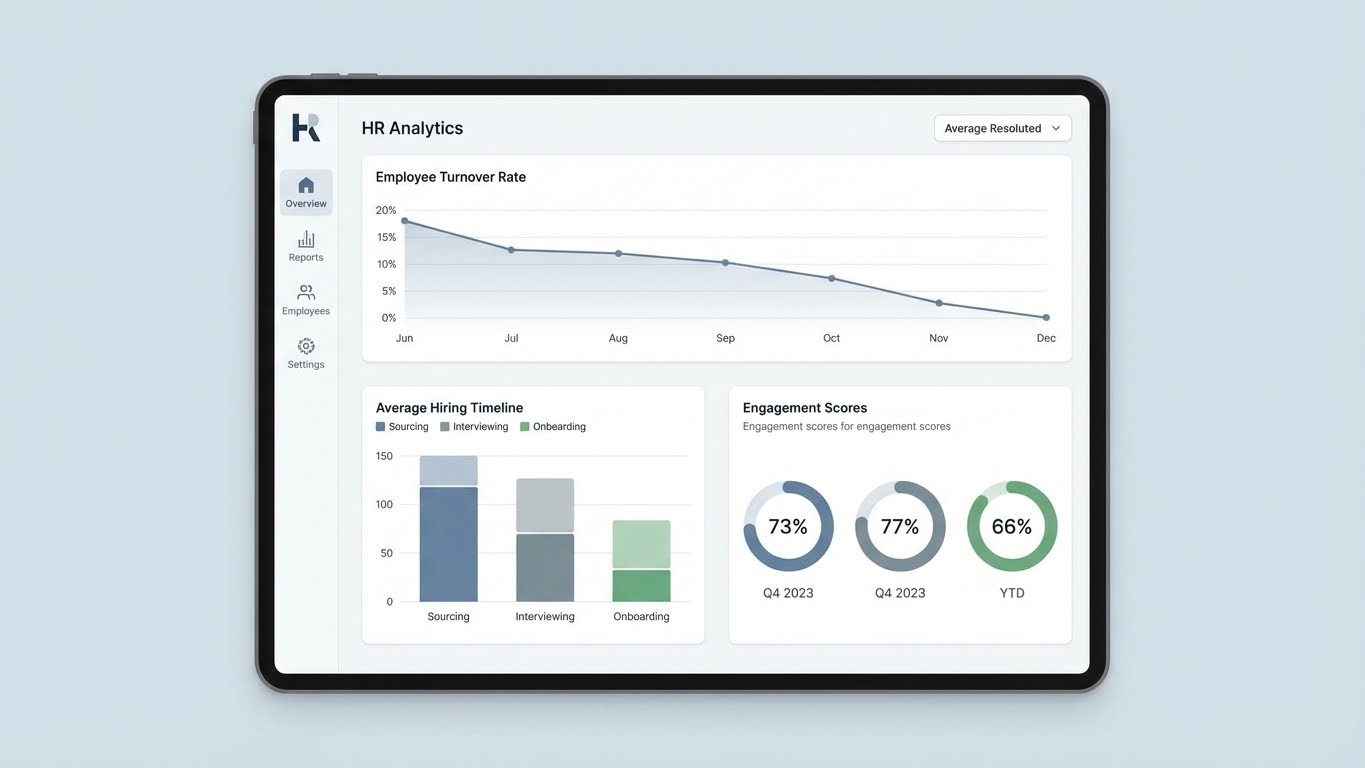
People Analytics relies on data collected from multiple HR-related systems. These data sources provide a complete view of the employee lifecycle.
- HR management systems containing employee records
- Recruitment and applicant tracking systems
- Employee surveys and feedback tools
- Performance management systems
- Learning and development platforms
When combined correctly, these data sources help create meaningful insights about employees and teams.
Key Metrics and KPIs in People Analytics
Metrics and KPIs help measure workforce performance and trends. They provide clear indicators that support decision-making.
- Employee turnover rate
- Time to hire
- Cost per hire
- Employee engagement score
- Absenteeism rate
- Performance ratings
- Training effectiveness metrics
These metrics help organizations track progress and identify areas that need improvement.
How People Analytics Is Used Across HR Functions
People Analytics is applied across different HR functions to improve outcomes at every stage of the employee lifecycle.
People Analytics in Recruitment
In recruitment, People Analytics helps improve hiring quality and efficiency.
- Identifies traits of successful employees
- Improves candidate screening
- Reduces hiring bias
- Increases hiring accuracy
People Analytics in Employee Performance Management
Performance management becomes more objective with data-driven insights.
- Measures productivity and output
- Identifies high performers
- Supports fair performance evaluations
- Helps design improvement plans
People Analytics in Employee Engagement
Employee engagement data helps understand how employees feel about their work and workplace.
- Measures satisfaction and motivation
- Identifies burnout risks
- Improves workplace culture
- Supports engagement initiatives
People Analytics in Learning and Development
Learning and development decisions become more targeted and effective.
- Identifies skill gaps
- Measures training impact
- Aligns learning with business needs
- Supports career growth planning
People Analytics in Retention and Attrition Management
Retention strategies are more effective when based on real data.
- Identifies employees at risk of leaving
- Understands reasons for attrition
- Supports targeted retention efforts
- Reduces replacement costs
Benefits of People Analytics
People Analytics offers clear benefits for both organizations and employees.
- Better decision-making based on data
- Improved employee experience
- Reduced HR-related costs
- Increased workforce productivity
- Stronger alignment between HR and business goals
These benefits make People Analytics a valuable long-term investment.
Challenges and Limitations of People Analytics
Despite its advantages, People Analytics also has limitations that organizations must address.
- Poor data quality can lead to incorrect insights
- Privacy and ethical concerns around employee data
- Lack of analytics skills within HR teams
- Resistance to adopting a data-driven culture
- Over-reliance on data without human judgment
Understanding these challenges helps organizations use People Analytics responsibly.
People Analytics Tools and Software
Beginners can start People Analytics using simple tools before moving to advanced platforms.
- Spreadsheet tools like Excel or Google Sheets
- Business intelligence and visualization tools
- Dedicated people analytics platforms
- HR systems with built-in analytics features
Choosing the right tool depends on data size, skills, and business needs.
Skills Required to Get Started with People Analytics
People Analytics does not require advanced technical skills at the beginning, but certain foundational skills are important.
- Basic HR knowledge
- Data literacy and interpretation
- Understanding metrics and KPIs
- Basic statistics concepts
- Communication and storytelling with data
These skills help turn data into meaningful insights.
How to Get Started with People Analytics (Step-by-Step)
Starting People Analytics requires a structured approach to ensure useful outcomes.
- Define clear business or HR problems
- Identify relevant data sources
- Clean and organize the data
- Choose the right metrics
- Analyze and visualize the data
- Share insights with stakeholders
- Take action and measure results
This step-by-step process ensures People Analytics delivers real value.
Best Practices for Successful People Analytics
Following best practices helps ensure long-term success with People Analytics.
- Start small and scale gradually
- Focus on solving real business problems
- Ensure data accuracy and consistency
- Maintain transparency with employees
- Combine data insights with human judgment
These practices build trust and improve outcomes.
Ethical Considerations in People Analytics
Ethics play a critical role in how employee data is used.
- Protect employee data privacy
- Avoid bias in analysis and interpretation
- Be transparent about data usage
- Follow relevant laws and regulations
Ethical People Analytics builds trust and credibility.
People Analytics vs Traditional HR Reporting
People Analytics goes beyond basic reporting to provide deeper insights.
- Traditional reporting focuses on past data summaries
- People Analytics focuses on insights and decision support
- Analytics explains why trends happen, not just what happened
- Both approaches can coexist depending on the need
Analytics adds strategic value beyond standard reports.
Conclusion
People Analytics helps organizations move from assumptions to informed decisions. By using employee data responsibly and thoughtfully, businesses can improve hiring, performance, engagement, and retention. For beginners, starting small and focusing on clear goals is the best approach. As organizations grow more data-driven, People Analytics will play an increasingly important role in building fair, productive, and successful workplaces.
Frequently Asked Questions (FAQs)
1. What is People Analytics in simple words?
People Analytics means using employee data to understand and improve how people work in an organization.
2. Is People Analytics only for large companies?
No, even small and medium-sized businesses can use People Analytics with basic tools and data.
3. Do I need technical skills to learn People Analytics?
Basic data understanding is enough to get started. Advanced skills can be learned gradually.
3. How is People Analytics different from HR analytics?
Both are closely related, but People Analytics focuses more on insights and decision-making.
4. Is People Analytics a good career option?
Yes, as data-driven HR continues to grow, People Analytics skills are becoming more valuable.