
![10 Types of Work Environments [With Examples]](https://boardroomuk.com/wp-content/uploads/2026/01/10-Types-of-Work-Environments-With-Examples-1024x572.jpeg)
A work environment plays a major role in how people feel about their jobs. It affects how employees work, communicate, stay motivated, and grow in their careers. A positive work environment can improve productivity, job satisfaction, and employee retention. On the other hand, a poor work environment can lead to stress, low performance, and high turnover.
Today, work environments are not limited to traditional offices. With changes in technology, employee expectations, and business needs, organizations now use many different types of work environments. Understanding these environments helps both employees and employers make better decisions.
In this blog, we will explain what a work environment is, why it matters, and explore 10 common types of work environments with real-world examples.
What Is a Work Environment?
A work environment refers to the overall setting in which employees perform their jobs. It includes both physical and non-physical elements that influence how work is done.
A work environment is not just about where you work, but also how you work and how you interact with others. It shapes daily experiences, work habits, and professional relationships.
A work environment usually includes:
- The physical workspace, such as offices, desks, or remote setups
- Company culture, values, and behavior
- Management style and leadership approach
- Work policies, rules, and processes
Together, these factors create the atmosphere in which employees operate and grow.
Why Understanding Different Work Environments Is Important

Understanding different work environments helps people make informed career and business decisions. Not every work environment suits every individual or organization.
For employees, knowing the type of environment they prefer helps them choose roles where they can perform better and feel satisfied. For employers, understanding work environments helps them design workplaces that support productivity and employee well-being.
Key reasons why this understanding matters:
- Improves job satisfaction and motivation
- Reduces stress and burnout
- Helps align work style with company culture
- Supports long-term career growth and retention
10 Types of Work Environments
1. Traditional Office Work Environment

A traditional office work environment is a fixed workplace where employees work from a physical office location during standard business hours. This type of environment follows clear schedules, formal communication, and defined job roles.
This work environment is structured and predictable. Employees usually work at assigned desks, attend in-person meetings, and follow company policies closely.
Common characteristics include:
- Fixed working hours, usually 9 to 5
- Physical office space with desks and meeting rooms
- Face-to-face communication and supervision
Example: Corporate offices, banks, and government organizations often use traditional office environments.
2. Remote Work Environment
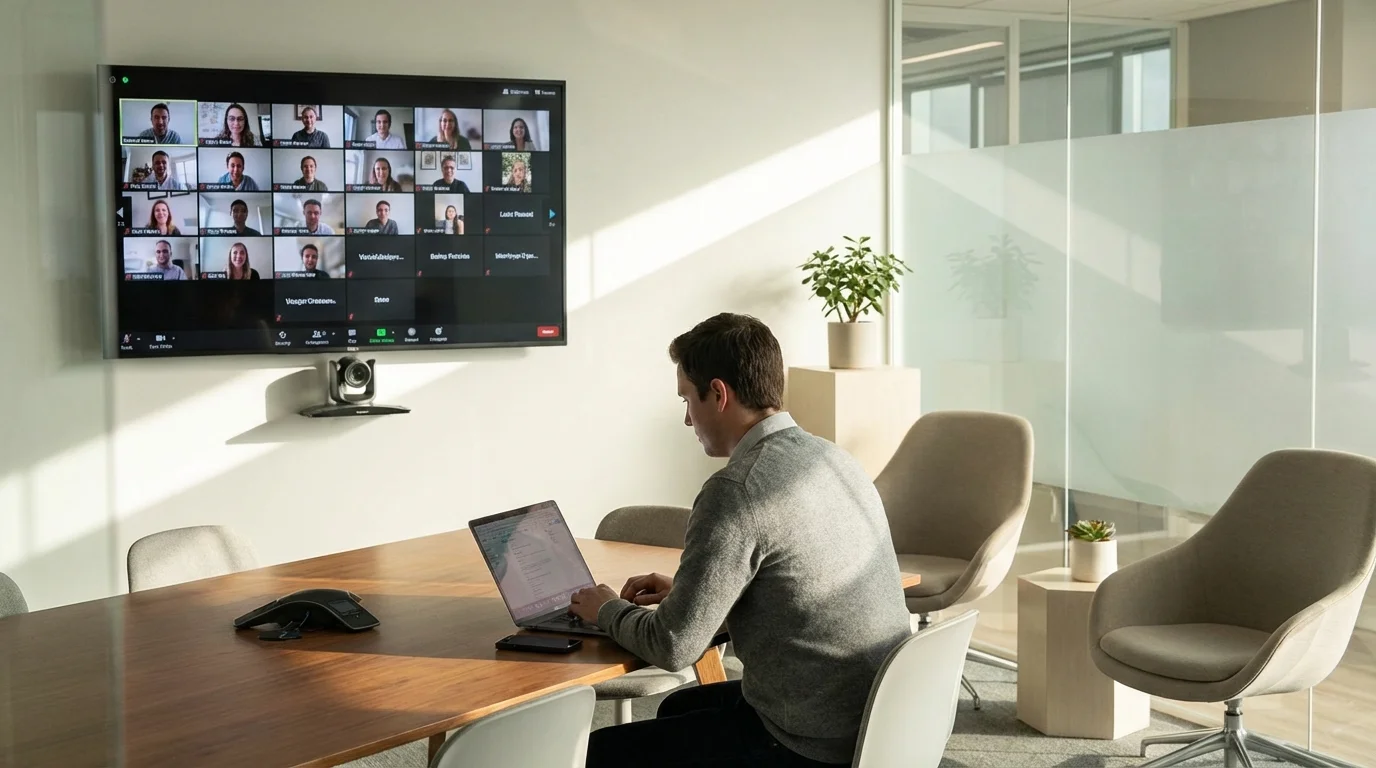
A remote work environment allows employees to work from locations outside a central office. This could be from home, coworking spaces, or any place with an internet connection.
Remote work focuses on outcomes rather than physical presence. Employees rely on digital tools for communication, collaboration, and task management.
Key features include:
- No daily commute to an office
- Use of online communication tools
- Flexible work locations
Example: Freelancers, remote-first companies, and distributed global teams commonly operate in remote work environments.
3. Hybrid Work Environment
A hybrid work environment combines both remote and office-based work. Employees split their time between working from home and working from the office.
This model offers flexibility while maintaining in-person collaboration when needed. It has become popular as organizations balance productivity with employee preferences.
Typical elements include:
- Set days for office attendance
- Remote work on selected days
- Blended communication methods
Example: Many IT companies, consulting firms, and multinational businesses use hybrid work environments.
4. Open Work Environment
An open work environment uses open office layouts with minimal physical barriers. Employees share large spaces instead of working in separate rooms or cubicles.
This environment is designed to encourage communication, transparency, and teamwork. However, it may also increase noise and distractions.
Common traits include:
- Open seating arrangements
- Shared desks or workstations
- Easy access to teammates
Example: Startups, creative agencies, and marketing teams often use open work environments.
5. Flexible Work Environment
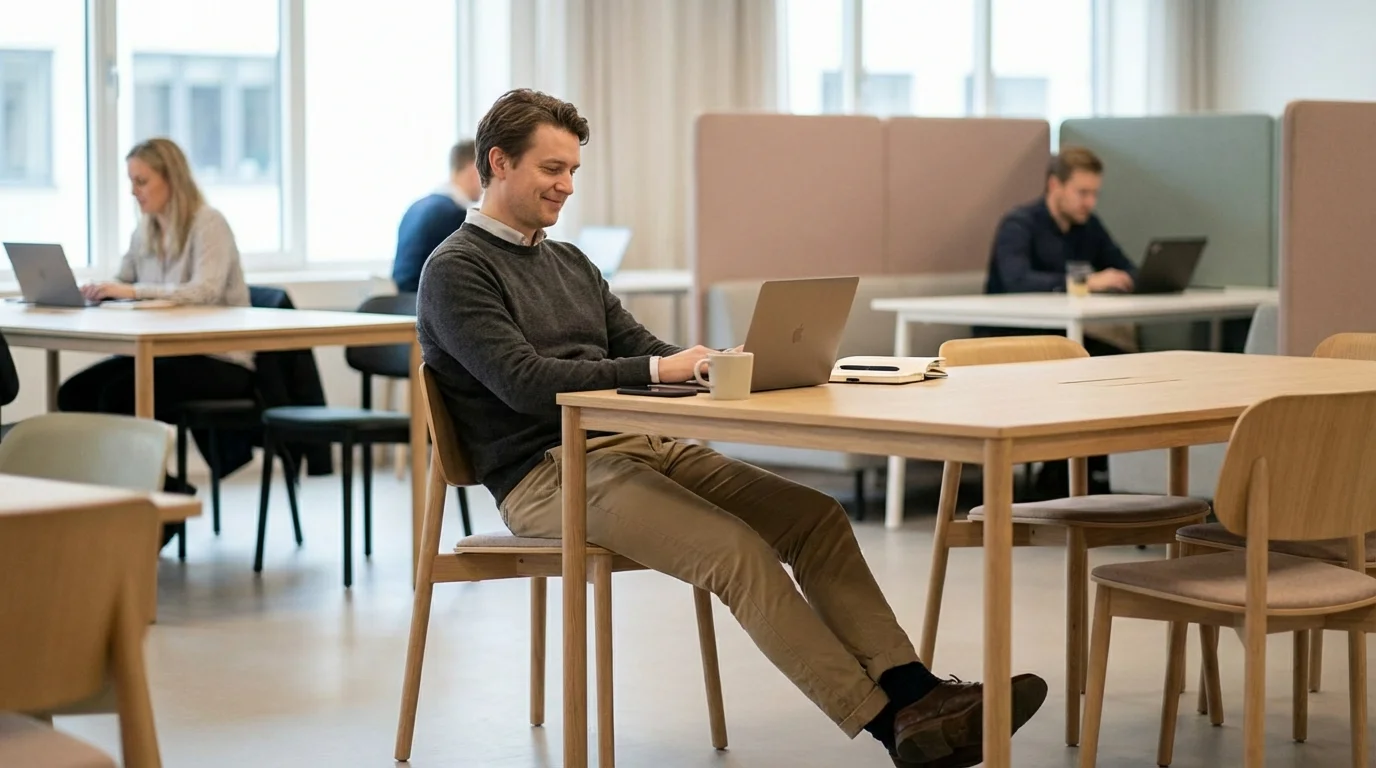
A flexible work environment gives employees control over when and how they work. Flexibility may relate to work hours, location, or workload structure.
The focus is on performance and results rather than strict schedules. This environment supports work-life balance and employee autonomy.
Key aspects include:
- Flexible working hours
- Option to work remotely or in-office
- Results-based performance measurement
Example: Tech companies, digital agencies, and modern workplaces commonly adopt flexible work environments.
6. Collaborative Work Environment
A collaborative work environment emphasizes teamwork and shared responsibilities. Employees work closely with others to achieve common goals.
This environment values open communication, idea sharing, and collective problem-solving. Success depends on strong relationships and cooperation.
Main features include:
- Team-based projects
- Regular collaboration and discussions
- Shared decision-making
Example: Product development teams and design studios often operate in collaborative work environments.
7. Creative Work Environment
A creative work environment is designed to support innovation and original thinking. Employees are encouraged to explore ideas, take risks, and think differently.
This environment values imagination, experimentation, and freedom of expression. It often allows flexible processes and informal structures.
Key characteristics include:
- Encouragement of new ideas
- Open-minded leadership
- Non-traditional workspace designs
Example: Advertising agencies, media houses, and design firms commonly use creative work environments.
8. Fast-Paced Work Environment
A fast-paced work environment involves high energy, tight deadlines, and quick decision-making. Employees must adapt quickly and handle multiple tasks.
This environment suits individuals who enjoy challenges and can work under pressure. Speed and efficiency are highly valued.
Typical traits include:
- High workload and urgency
- Rapid changes and decisions
- Performance-driven culture
Example: Startups, sales teams, and newsrooms often operate in fast-paced work environments.
9. Structured Work Environment
A structured work environment follows clear rules, procedures, and hierarchies. Employees have defined roles and responsibilities, and processes are standardized.
This environment provides stability, clarity, and predictability. It is suitable for roles that require precision and compliance.
Key elements include:
- Clear reporting structures
- Standard operating procedures
- Formal communication channels
Example: Manufacturing units, government offices, and regulated industries use structured work environments.
10. Autonomous Work Environment
An autonomous work environment gives employees a high level of independence. Individuals are trusted to manage their tasks and make decisions without close supervision.
This environment requires self-discipline, accountability, and strong time management skills.
Main characteristics include:
- High level of independence
- Minimal supervision
- Focus on individual responsibility
Example: Freelancers, senior professionals, and research roles often work in autonomous environments.
How to Identify the Right Work Environment for You
Choosing the right work environment depends on personal preferences, work style, and career goals. Understanding what motivates you helps in making better career choices.
Important factors to consider:
- Preferred level of structure or flexibility
- Comfort with teamwork or independent work
- Ability to handle pressure and deadlines
- Desired work-life balance
Asking the right questions before joining an organization can help ensure a good fit.
How Companies Can Create the Right Work Environment
Companies can build effective work environments by aligning workplace design with business goals and employee needs. A supportive environment improves performance and retention.
Key actions include:
- Gathering employee feedback
- Offering flexibility where possible
- Encouraging open communication
- Continuously improving workplace culture
A balanced work environment supports both organizational success and employee well-being.
Conclusion
Work environments shape how people work, grow, and succeed. From traditional offices to autonomous and remote setups, each type of work environment has its own strengths and challenges.
Understanding these 10 types of work environments helps employees choose roles that suit them and helps companies design workplaces that support productivity and satisfaction. As work continues to evolve, adapting the work environment to modern needs remains essential for long-term success.