
Sustainable business growth is one of the most important priorities for any CEO. In an increasingly competitive market, leaders must make strategic decisions that guide their organizations toward long-term success. However, growth does not happen by accident. It requires clear goals, an honest assessment of current realities, thoughtful exploration of opportunities, and strong commitment to execution.
One powerful framework that helps leaders structure their thinking and decision-making is the GROW Blueprint. This model—representing Goal, Reality, Options, and Will—provides CEOs with a practical roadmap for navigating complex business challenges and identifying new opportunities for growth.
This comprehensive guide explores how the GROW Blueprint can help CEOs set meaningful goals, evaluate their current position, explore strategic opportunities, and implement actionable plans. By applying this framework, leaders can build a structured growth strategy that improves organizational performance, strengthens leadership alignment, and accelerates business expansion.
Part 1: Introducing the GROW Blueprint
Business leaders often face complex decisions when trying to scale their companies. They must evaluate markets, manage resources, and align teams toward a common vision. Without a structured framework, these decisions can become overwhelming and inconsistent.
The GROW Blueprint provides a simple yet powerful method for approaching business growth strategically. Originally developed as a coaching and leadership model, the GROW framework has become widely used in executive leadership, management consulting, and organizational development.
The model breaks strategic thinking into four clear stages:
-
Goal – Define what success looks like.
-
Reality – Assess the current situation honestly.
-
Options – Explore possible strategies and opportunities.
-
Will – Commit to action and implement the plan.
For CEOs, this framework helps transform abstract growth ambitions into structured strategies that can be executed across the organization.
By applying the GROW Blueprint, leaders can create clarity around business priorities, identify challenges early, and build alignment across departments.
G = Goal

The first step in any successful growth strategy is defining clear and meaningful goals. Without clearly defined objectives, organizations risk wasting resources on initiatives that do not contribute to long-term success.
CEOs must ensure that their goals are aligned with the organization’s vision and mission. These goals should provide direction for the entire company and guide decision-making at every level.
Characteristics of Effective Business Goals
Strong goals typically share several important characteristics:
-
They are specific and measurable
-
They align with long-term strategic priorities
-
They are realistic but ambitious
-
They include defined timelines for achievement
For example, a CEO might set goals such as expanding into new markets, increasing customer acquisition, or improving operational efficiency.
Aligning Goals Across the Organization
Once goals are defined, it is important that every department understands how their work contributes to achieving them. Marketing, sales, operations, finance, and product development must work together toward the same objectives.
This alignment ensures that employees remain focused on priorities that drive meaningful growth.
Monitoring Goal Progress
Effective CEOs also establish systems to monitor progress toward these goals. This may involve tracking key performance indicators, reviewing quarterly performance reports, and holding leadership teams accountable for results.
Clear goals provide the foundation upon which every growth strategy is built.
R = Reality
Once goals are defined, the next step in the GROW Blueprint is understanding the current reality of the organization.
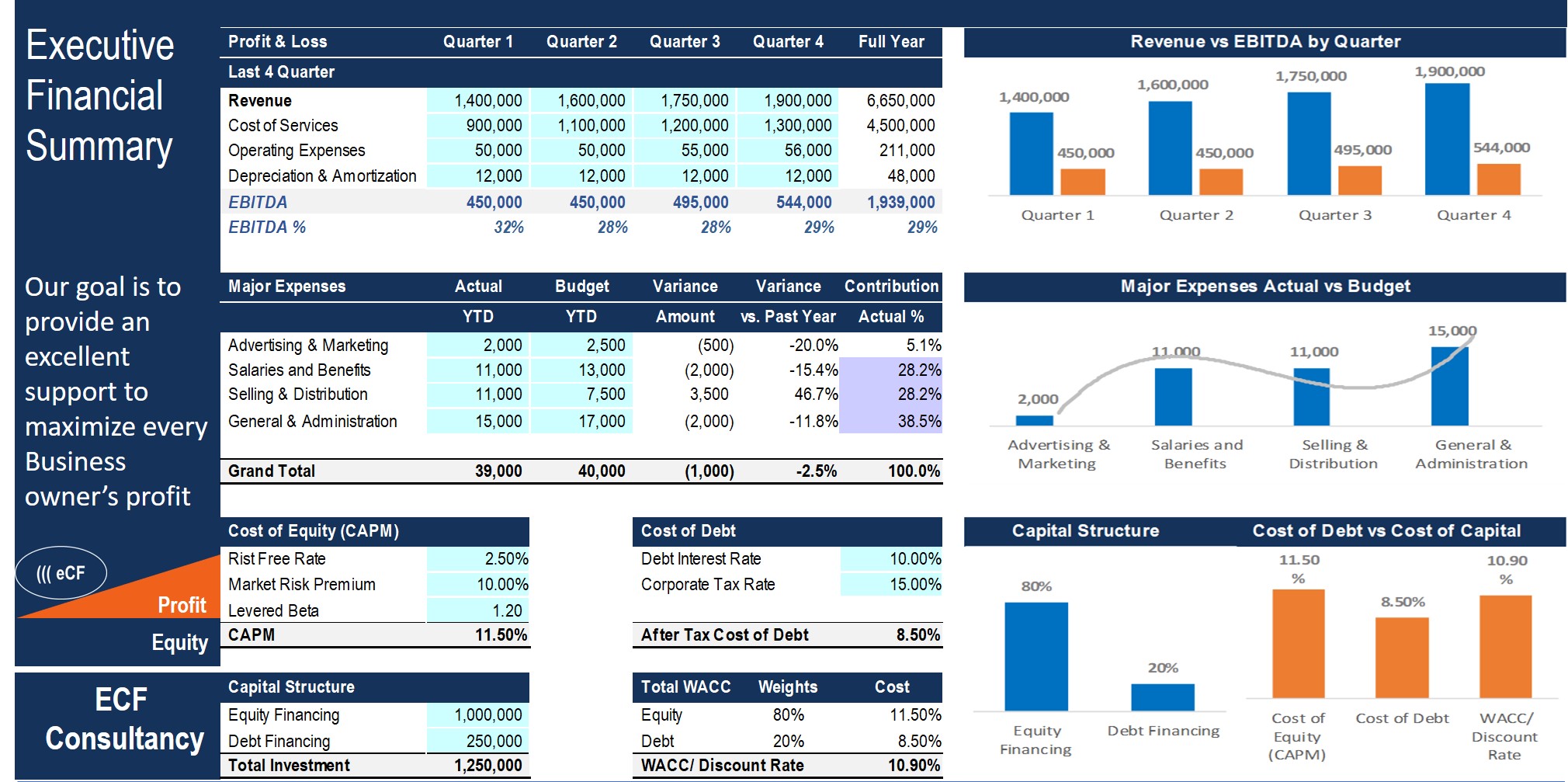
Many businesses fail to grow because leaders overlook critical weaknesses or misunderstand their competitive environment. CEOs must conduct an honest assessment of their company’s current situation.
Evaluating Business Performance
This evaluation typically includes:
-
Financial performance analysis
-
Sales performance metrics
-
Customer satisfaction data
-
Market share and competitive positioning
These insights provide valuable information about where the company stands today.
Identifying Strengths and Weaknesses
Understanding reality also involves identifying internal strengths and weaknesses.
Strengths might include:
-
Strong brand recognition
-
Innovative products or services
-
Highly skilled teams
Weaknesses might include:
-
Inefficient processes
-
Limited market reach
-
Outdated technology systems
Acknowledging these realities helps CEOs develop realistic strategies.
Assessing Market Conditions
External factors also play an important role in business growth. Leaders must evaluate:
-
Industry trends
-
Competitive pressures
-
Economic conditions
-
Customer expectations
A clear understanding of reality enables organizations to make informed strategic decisions.
O = Options

Once leaders understand their goals and current reality, they can begin exploring strategic options for achieving growth.
This stage encourages creativity and open thinking. CEOs and leadership teams should consider multiple pathways before selecting a strategy.
Identifying Growth Opportunities
Possible growth strategies may include:
-
Expanding into new geographic markets
-
Launching new products or services
-
Improving customer experience
-
Investing in digital transformation
-
Forming strategic partnerships
Each option should be carefully evaluated based on feasibility, risk, and potential return on investment.
Encouraging Strategic Thinking
Successful organizations often involve diverse perspectives when generating options. Leadership teams, managers, and subject-matter experts can contribute valuable insights.
Brainstorming sessions, innovation workshops, and strategic planning meetings can help uncover new ideas that might otherwise be overlooked.
Evaluating Strategic Alternatives
Once potential options are identified, CEOs must evaluate them carefully.
Important considerations include:
-
Required investment
-
Implementation complexity
-
Alignment with company goals
-
Potential impact on revenue and profitability
This process ensures that leaders choose the most promising strategy.
W = Will
The final stage of the GROW Blueprint focuses on action and commitment. Even the best strategies will fail if they are not implemented effectively.
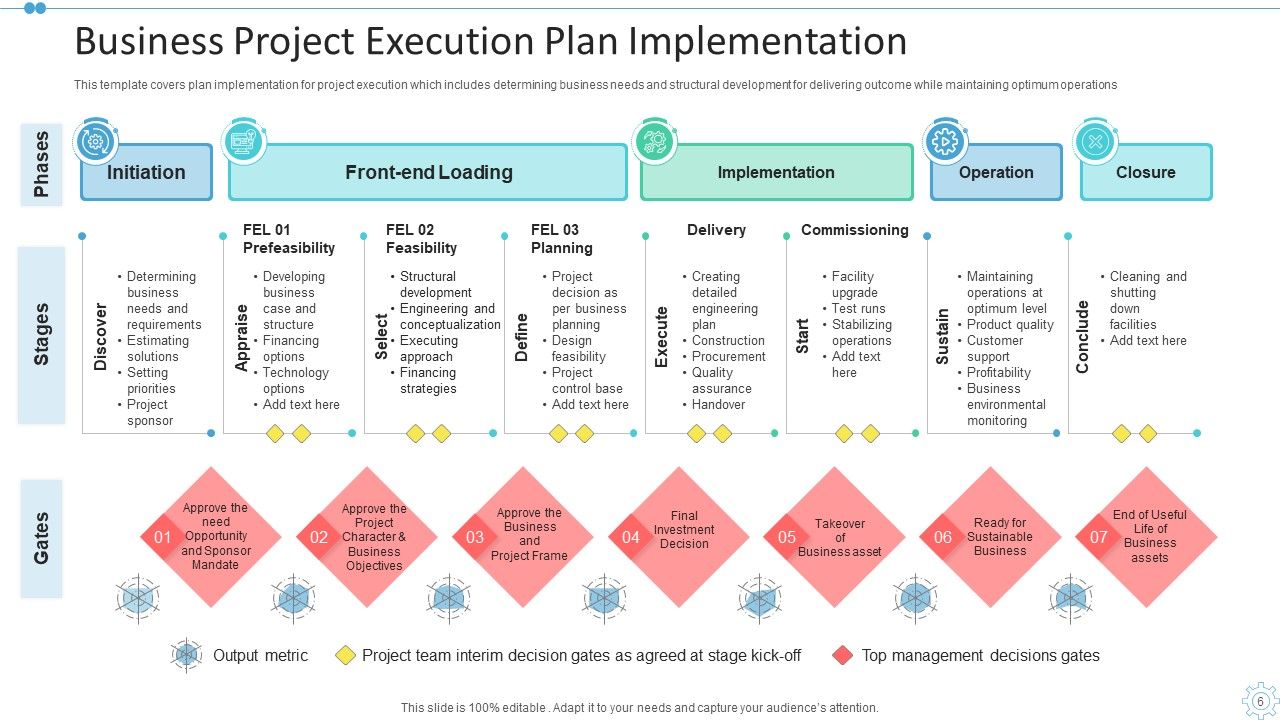
The Will stage involves turning strategic decisions into concrete action plans.
Creating an Implementation Plan
CEOs must translate strategy into operational steps. This includes:
-
Defining responsibilities for each initiative
-
Establishing timelines and milestones
-
Allocating resources and budgets
Clear implementation plans ensure that everyone understands their role in achieving the company’s growth goals.
Building Accountability
Accountability is essential for successful execution. Leaders should establish regular progress reviews and performance metrics to track implementation.
This helps ensure that teams remain focused and that challenges are addressed quickly.
Maintaining Momentum
Strategic initiatives often require months or years to fully realize their impact. CEOs must maintain momentum by communicating progress, celebrating milestones, and reinforcing the organization’s vision.
Strong commitment and leadership are key to turning strategy into results.
Featured Business Leader
Ed Valdez

Experienced business leaders often emphasize the importance of structured decision-making frameworks when guiding organizations through growth phases.
Professionals like Ed Valdez have spent years helping companies navigate complex strategic challenges and build sustainable growth strategies. Their experience demonstrates that clear frameworks and disciplined execution are essential for successful leadership.
Related Topics
AI Strategy for Financial Services CEOs
Artificial intelligence is transforming industries across the world. CEOs must understand how emerging technologies can improve efficiency, enhance customer experience, and create competitive advantages.
Agentic AI and Strategic Decision-Making
Advanced AI systems are beginning to influence how organizations analyze data, make predictions, and automate decision-making processes.
Understanding these technologies is increasingly important for modern business leaders.
Frequently Asked Questions
What is the GROW Blueprint?
The GROW Blueprint is a strategic framework used in leadership and coaching to guide decision-making. It stands for Goal, Reality, Options, and Will.
Why is the GROW framework useful for CEOs?
It helps leaders structure their thinking, evaluate business challenges objectively, and implement actionable strategies for growth.
Can the GROW model be used for strategic planning?
Yes. Many organizations use the framework during strategic planning sessions to identify goals, assess current performance, and develop action plans.
How often should CEOs review growth strategies?
Most companies review growth strategies quarterly or annually to ensure alignment with changing market conditions.
What is the biggest challenge CEOs face in business growth?
One of the biggest challenges is maintaining alignment between strategy and execution. Strong leadership and accountability systems help address this challenge.
Conclusion
Business growth requires more than ambition. It demands structured thinking, honest evaluation, and disciplined execution.
The GROW Blueprint provides CEOs with a practical framework for navigating the complexities of leadership and strategy. By clearly defining goals, understanding reality, exploring options, and committing to action, leaders can guide their organizations toward sustainable success.
In a rapidly changing business environment, frameworks like the GROW model help executives make smarter decisions, build stronger teams, and create long-term value for their organizations.