
Corporate wellness programs are structured efforts by employers to improve the physical, mental, emotional, social, financial, and medical wellbeing of employees. When done well, these programs can boost morale, productivity, and retention while reducing healthcare costs and absenteeism for the organization. The 28 ideas below cover a holistic set of wellness activities you can mix, match, and tailor to your workforce.
Physical Wellness Activities
Physical wellness initiatives focus on helping employees move more, sit less, and build healthy lifestyle habits that support long-term health. These ideas are especially impactful when combined with visible recognition, friendly competition, and supportive leadership.
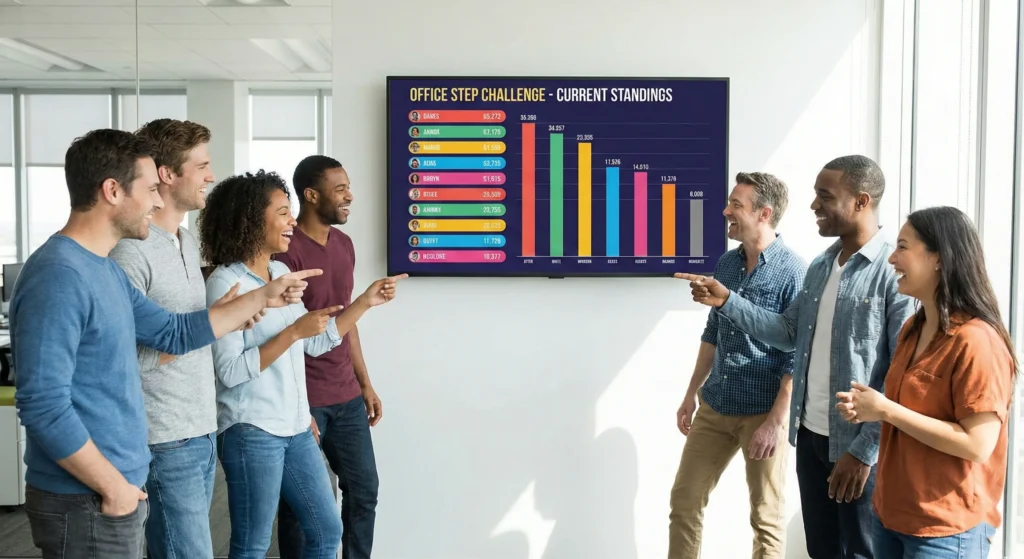
Healthy Competitions
Healthy competitions encourage employees to join teams and work toward measurable wellness goals in a fun, social way. Common formats include step counts, weight loss, sleep quality, hydration, or stair-climbing challenges, often tracked via apps or wearables.
Possible elements:
- Step or walking challenges to increase daily movement.
- Sleep or “no alcohol” challenges to reinforce healthy recovery habits.
- Hydration or “skip the elevator” stair challenges to build simple daily behaviors.
- Leaderboards, a “Wall of Fame,” and small prizes to keep people engaged and recognized.
Employee Sports and Recreation Teams

Employee sports teams give staff a chance to represent the company while building camaraderie and staying active. Many organizations join local corporate leagues or create internal tournaments if leagues do not exist nearby.
Implementation ideas:
- Choose inclusive sports such as softball, kickball, dodgeball, or pickleball that are accessible to many fitness levels.
- Divide employees into internal teams or departments if no external league is available.
- Share results and standings in newsletters or on bulletin boards to sustain interest.
Promote Local Health Events
Local health events such as 5Ks, marathons, mud runs, and charity walks already exist in most communities; the challenge is simply awareness and motivation. Companies can serve as the connector that helps employees discover these events and feel supported in participating.
Practical steps:
- Post flyers and event details in break rooms and common areas.
- List relevant events in internal newsletters or intranet pages.
- Offer participation incentives such as paid time, entry fee subsidies, or recognition.
Onsite Chair Massages
Onsite chair massages are a highly popular physical and mental wellness perk that help reduce stress and ease muscular tension from prolonged sitting or physical work. This small intervention can signal that the company genuinely cares about day-to-day employee comfort.
Options include:
- Hiring professional massage therapists to come on-site for scheduled chair massage sessions.
- Purchasing massage chairs placed in a quiet space employees can visit on breaks.
- Providing massage guns for shared workplace use to target tight muscles.
Onsite Fitness Classes
Onsite fitness classes bring structured exercise directly to the workplace, removing common barriers like travel time, cost, and lack of experience. These programs are frequently rated among employees’ favorite wellness offerings when implemented consistently.
Implementation considerations:
- Offer beginner-friendly instruction for employees with limited fitness experience.
- Schedule classes before or after shifts, or at lunchtime, to accommodate different schedules.
- Reduce costs by providing basic gym equipment and guided workout app subscriptions.
- Include options like yoga, strength circuits, or stretching to address both fitness and stress relief.
Health Coaching
Health coaching gives employees personalized guidance on how to make sustainable lifestyle changes instead of expecting them to self-educate from articles alone. Coaches can support physical, mental, social, and even financial wellness depending on their expertise.
Potential coaching topics:
- Fitness and exercise routines tailored to the individual.
- Nutrition planning for energy, weight management, or specific conditions.
- Financial and social wellbeing when coaches or partner resources have that scope.
Walking Meetings
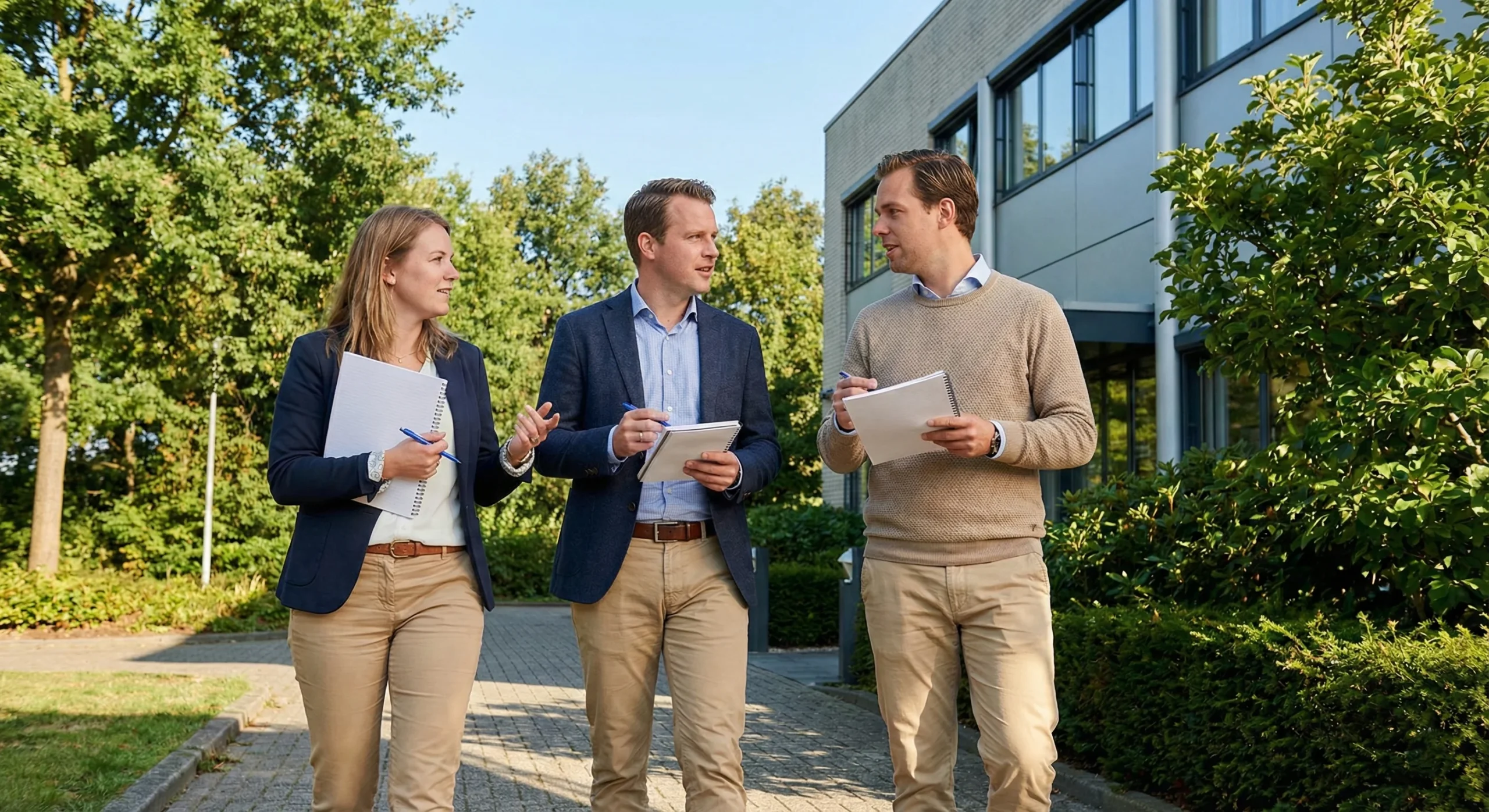
Walking meetings replace traditional seated conference-room discussions with movement-based conversations, often outdoors. This simple change can increase daily physical activity while supporting creativity, focus, and mental wellbeing.
Tips for success:
- Use nearby neighborhoods, parks, or safe walking routes around the office.
- Experiment with themed walks tied to specific business topics or brainstorms.
- Let employees highlight local landmarks and stories to make walks more engaging.
Nutritional Wellness Ideas
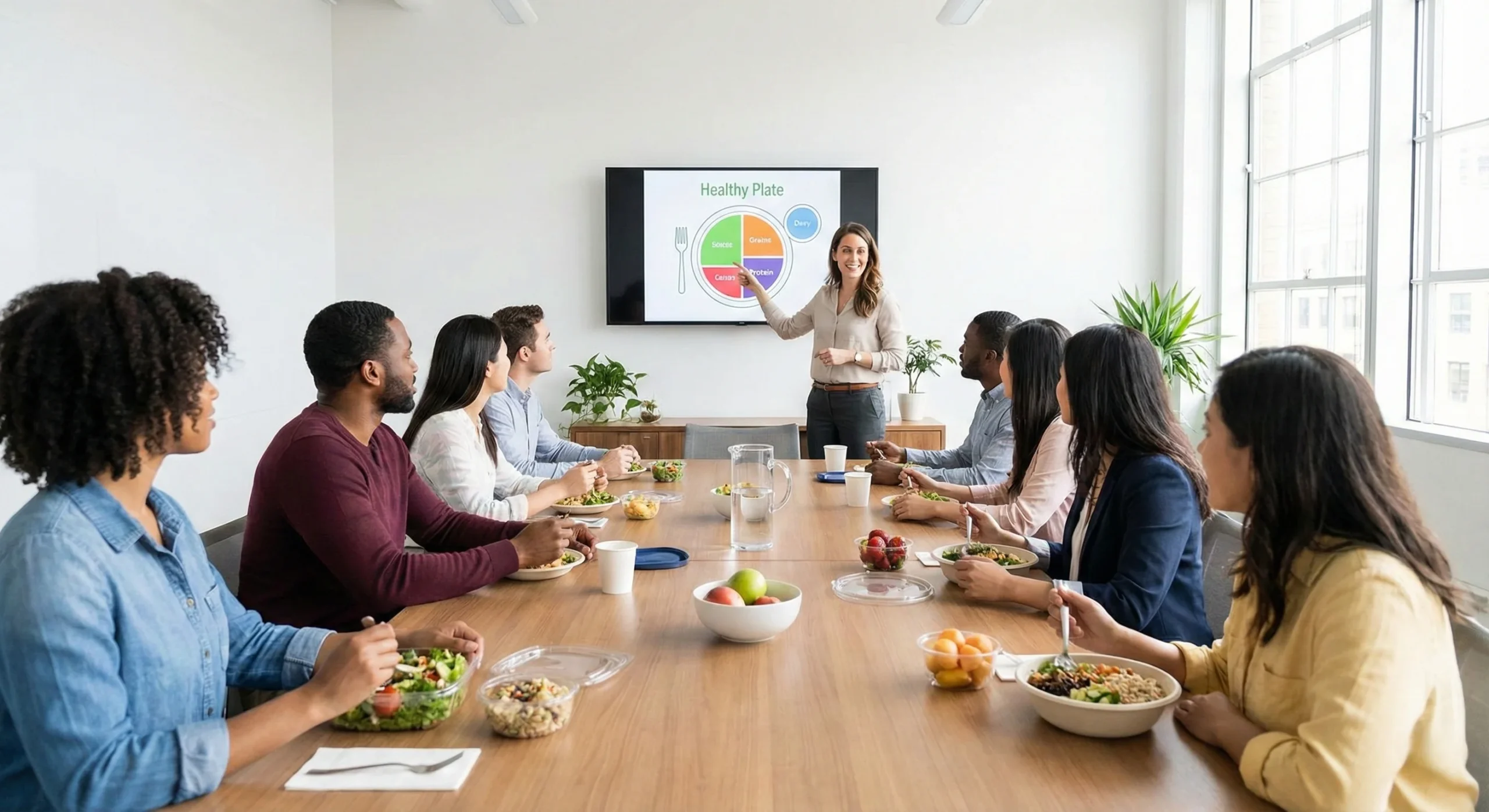
Nutritional wellness initiatives help employees understand and practice healthier eating habits at work and at home. These ideas work best when they are practical, accessible, and avoid judgment, focusing instead on education and enjoyment.
Lunch and Learn Presentations
Lunch and learn sessions use the lunch hour to share expert guidance on healthy eating and overall lifestyle habits. They make education convenient by pairing it with an existing break period.
Key components:
- Invite nutritionists or health experts to give short, focused presentations.
- Use videos or visual content in cafeterias or break rooms to reinforce key tips.
- Ask employees which topics they want covered to increase relevance and attendance.
Nutritionist Consultations
Access to a nutritionist gives employees tailored advice on diet and health goals rather than generic recommendations. This can support chronic condition management, weight goals, energy levels, and overall wellbeing.
Ways to structure:
- Offer individual one-on-one consultations and optional group classes.
- Invite the nutritionist back quarterly to review progress and adjust plans.
- Provide or subsidize access to virtual nutritionists or nutrition-focused apps to improve reach.
Healthy Company Potlucks
Healthy potlucks turn social gatherings into opportunities to share nutritious recipes and practical cooking ideas. They also celebrate cultural and personal food traditions in a health-focused way.
Ideas to include:
- Encourage employees to share the healthy ingredients or substitutions in their dishes.
- Swap recipes so participants can recreate favorite dishes at home.
- Invite a healthy eating expert to speak briefly during the meal if appropriate.
Healthy Cooking Classes
Healthy cooking classes offer hands-on learning, helping employees discover that nutritious meals can also be flavorful and realistic for busy schedules. Hosting a local chef or visiting a restaurant can make the experience memorable and engaging.
Program structure:
- Ask the chef to demonstrate “eat this, not that” style substitutions for common meals.
- Include a participatory component where employees prepare part of the meal themselves.
- Share recipes afterward so employees can integrate them into regular meal planning.
Company Garden

A company garden lets employees collaborate on growing vegetables and herbs, supporting nutrition, relaxation, and team-building. Gardening can be accessible to beginners when educational resources and simple tasks are provided.
Implementation tips:
- Plant practical, healthy vegetables and provide basic gardening instructions.
- Feature garden progress in internal communications to build pride and visibility.
- Use the harvest in shared meals such as salads or potlucks to connect garden work to tangible benefits.
Mental and Emotional Wellness Ideas
Mental and emotional wellness programs help employees manage stress, address psychological challenges, and feel supported as whole people—not just workers. These initiatives can directly influence job satisfaction, performance, and long-term retention.
Promote Employee Assistance Program (EAP) Services
Employee Assistance Programs provide confidential counseling and support for issues such as family conflict, grief, substance use, and mental health challenges. Many employees are eligible for EAP services but do not use them simply because they are unaware of what is available.
Important actions:
- Regularly remind employees of EAP availability and what it covers.
- Emphasize confidentiality and the program’s purpose as support rather than evaluation.
- Highlight that psychological stress—whether work-related or not—affects wellbeing and performance.
Wellness Content for Newsletters
A dedicated wellness section in company newsletters keeps health topics top-of-mind and normalizes ongoing wellness conversations. This channel can reach employees who might not attend events but will read brief, relevant content.
Content ideas:
- Articles about nutrition, walking, running, stress management, or healthy recipes.
- Short, actionable tips and links to internal programs or external resources.
- Printed and digital copies to accommodate different work environments and preferences.
Share Employee Success Stories
Showcasing employee success stories can be one of the most persuasive ways to encourage participation in wellness initiatives. People are often more motivated by seeing peers’ progress than by hearing about generic program benefits.
Possible formats:
- Feature stories in newsletters, on bulletin boards, internal social platforms, or a “Wall of Fame.”
- Include before-and-after photos for physical transformations when employees consent.
- Highlight diverse achievements such as weight loss, race completions, promotions, or other wellness milestones.
Employee Assessments or Surveys
Employee assessments and surveys gauge current health perceptions, satisfaction with wellness programs, and ideas for improvement. These tools are essential for tailoring offerings to actual needs rather than assumptions.
Best practices:
- Ask for feedback on existing initiatives and suggestions for new ones.
- Keep responses anonymous to encourage honest, constructive criticism.
- Use results to adjust programs and track changes in morale, engagement, and wellbeing over time.
Daily Meditation Breaks
Daily meditation breaks create a routine opportunity for employees to slow down, reset, and reduce stress. Regular practice can improve mood, focus, and sleep and support overall emotional balance.
Implementation elements:
- Schedule short, regular meditation windows during the workday.
- Offer guided sessions or workshops to help employees learn simple techniques.
- Designate a quiet meditation room or corner to reinforce the habit.
Social Wellness Activities
Social wellness initiatives foster connection, belonging, and community within the workplace. These programs can reduce isolation, improve collaboration, and make work more enjoyable.
Book, Film, or Podcast Group
Book, film, or podcast groups provide a structured yet relaxed way for employees to gather, discuss ideas, and bond over shared interests. These groups can meet regularly and choose content together to maintain engagement.
Key aspects:
- Use curated book lists, film recommendations, and podcast rankings to find material.
- Facilitate open discussions about themes, insights, and personal takeaways.
- Rotate facilitators or themes to keep the group fresh.
Employee Volunteer Days
Volunteer days allow employees to support causes they care about while representing the company in the community. These events can boost pride, teamwork, and a sense of purpose beyond profit.
Implementation guidance:
- Offer paid volunteer time so employees can participate without financial penalty.
- Prioritize local nonprofits that serve the surrounding community.
- Capture photos and recognize participants in internal and external communications for positive visibility.
Creativity Classes
Creativity classes invite employees to express themselves through art, writing, music, or performance, supporting both social and emotional wellbeing. These sessions can help people relax, experiment, and connect in new ways.
Example formats:
- Art workshops or painting parties in a casual, non-judgmental environment.
- Standup comedy or storytelling workshops to build confidence and communication skills.
Also Read: 5 Ways a Corporate Wellness Consultant Can Improve Your Wellness Program
Happy Hour or Friday Celebrations
Finishing the week with a short celebration can build camaraderie and signal appreciation for employees’ efforts. These gatherings can be inclusive by offering both alcoholic and non-alcoholic options.
Ideas to enhance impact:
- End work an hour early on select Fridays for team social time.
- Focus conversations on personal interests, families, and hobbies rather than work tasks.
- Celebrate milestones such as birthdays, work anniversaries, or notable achievements.
Financial Wellness Ideas
Financial wellness programs recognize that money-related stress can significantly impact mental health, focus, and job performance. Helping employees better manage their finances can improve overall satisfaction and organizational stability.
Financial Consulting
Providing access to financial consultants allows employees to get personalized advice on managing money and planning for the future. This support can be particularly valuable for retirement planning, debt reduction, and major life expenses.
Consulting topics:
- Budgeting and day-to-day financial management.
- Long-term planning for retirement and large goals.
- Debt repayment and credit health strategies.
- Saving for education or other major milestones.
Finance Resources
Curated financial resources give employees ongoing, self-paced support in improving financial literacy. A small internal library or digital hub can centralize these tools.
Resource types:
- Personal finance books recommended by credible sources.
- Educational videos and podcasts featuring reputable financial educators.
- Budgeting, investing, and savings apps employees can try on their own.
Wellness Reimbursements
Wellness reimbursements or lifestyle funds offer flexible financial support for a range of health-related expenses. This approach lets employees choose the services most relevant to them.
Covered categories might include:
- Gym memberships, personal training, and fitness classes.
- Weight management programs and smoking or alcohol cessation support.
- Massages, chiropractic care, and mental health services.
- Ergonomic equipment, vitamins, supplements, wearable health trackers, and healthy meal services.
Medical Wellness Initiatives
Medical wellness initiatives focus on prevention, early detection, and access to healthcare, which can significantly reduce long-term health risks and costs. These offerings often integrate with insurance plans and occupational health strategies.
Ergonomics Assessments
Ergonomics assessments evaluate how employees interact with their workstations to reduce strain and prevent injuries. Good ergonomics can improve comfort, reduce risk for musculoskeletal issues, and support better productivity.
Program elements:
- Invite ergonomics professionals to evaluate individual workstations.
- Provide stipends or equipment such as adjustable desks, chairs, keyboards, and mice.
- Use checklists or guides to conduct internal assessments where expert resources are limited.
Health Screenings
Onsite health screenings help detect diseases or risk factors early, sometimes before symptoms appear. This is especially important for conditions like cancer, cardiovascular disease, and diabetes, where early intervention can dramatically improve outcomes.
Common screening types:
- Cancer screenings (e.g., colon, lung, cervical, breast) based on age and risk guidelines.
- Blood pressure, cholesterol, BMI, glucose, and A1C checks for cardiovascular and metabolic risk.
- Bone density, hearing tests, cotinine testing (for tobacco exposure), and lung spirometry for respiratory conditions.
Onsite Vaccinations
Onsite vaccinations make it easier for employees to stay up to date on recommended immunizations without taking extra time off. Vaccines for flu, pneumonia, and COVID-19 can reduce illness severity and help control outbreaks in the workplace.
Key steps:
- Coordinate with healthcare providers or public health partners to administer vaccines at work.
- Promote vaccination days through newsletters, posters, and manager announcements.
- Provide clear information about eligibility, benefits, and scheduling.
Telehealth and Nurse Hotlines
Telehealth services and 24/7 nurse hotlines give employees convenient access to medical guidance, often at low or no additional cost under their health plans. Many employees simply do not realize these options exist or how to use them.
Actions to increase usage:
- Confirm what telehealth and hotline services are included in current insurance benefits.
- Educate employees on how to access these services via flyers, brochures, and presentations.
- Invite an insurance representative to explain available care options and answer questions.
Embedding Wellness into Corporate Culture
For wellness initiatives to truly work, they must be integrated into the fabric of company culture rather than treated as one-off events. This means consistent communication, clear metrics, meaningful incentives, and leadership modeling healthy behaviors.
Key cultural elements:
- Communicate wellness activities through multiple channels—posters, emails, staff meetings, and newsletters—to reach all employee groups.
- Capture attention with engaging, concise messages so employees quickly see what is offered and how to participate.
- Ensure harder-to-reach employees (night staff, field teams, clinical staff) receive tailored communication about wellness events.
- Track participation and outcomes, using incentives and recognition to encourage ongoing engagement rather than short-lived spikes.
Wearable fitness trackers provide a useful example of how strategy matters more than any single perk. Simply buying devices for everyone is often ineffective, as many employees already own trackers or abandon new ones within months; however, integrating wearables into team challenges, incentive systems, and voluntary purchase or bring-your-own-device models can make them powerful tools within a broader program.
Conclusion
A successful wellness program is not about one flagship activity; it is the combined effect of many thoughtful initiatives across physical, nutritional, mental, social, financial, and medical domains. By implementing and tailoring these 28 corporate wellness ideas, organizations can create a healthier, happier workforce while realizing tangible benefits in productivity, retention, and healthcare costs.