

A well-designed employee wellness plan is a coordinated set of policies, programs, and environmental changes that support employees in adopting and maintaining healthy behaviors. Instead of isolated wellness activities (like a one-off yoga class), an effective plan is intentional, goal-driven, and integrated with business strategy and HR processes.
Comprehensive wellness plans can help reduce health risks, lower absenteeism, improve productivity, and increase employee engagement and morale. Many organizations also report improved recruitment and retention because candidates favor employers that invest in well-being. The purpose of this guide is to give HR and leaders a clear, step-by-step structure they can follow—from assessing needs to sustaining engagement—so they avoid guesswork and build a plan that is practical and impactful.
Assessing Organizational Needs

Assessing organizational needs is the foundation of any serious employee wellness plan because it reveals what employees actually need and what the current culture supports or blocks. Skipping this step often leads to low participation and wasted budget on programs that do not match employee realities or business priorities.
A thorough needs assessment usually includes three interconnected activities: understanding employee health and preferences, evaluating current culture and environment, and identifying gaps in relation to organizational goals.
- Conducting employee surveys and health risk appraisals
Employee surveys help HR understand interests, perceived barriers, stressors, and preferred formats (onsite, remote, app-based, etc.). Many organizations also use Health Risk Appraisals (HRAs) from wellness vendors or platforms to gather anonymized data on risk factors like physical inactivity, smoking, stress, and chronic conditions. Aggregate HRA data can highlight priority areas such as high prevalence of hypertension or low physical activity that should guide program focus. - Evaluating current wellness culture
Culture assessments or “wellness culture audits” look at policies, norms, and the physical environment: for example, whether healthy food is available, whether breaks are respected, and whether leaders model healthy behaviors. Some organizations use structured checklists or audits to systematically review support for healthy behaviors across locations, departments, and shifts. - Identifying gaps and areas for improvement
Bringing survey, HRA, and culture audit data together helps reveal mismatches, such as high stress levels with no mental health resources, or a largely remote workforce with only onsite fitness offerings. HR and leaders can then prioritize a few key focus areas (for example, stress reduction, physical activity, and healthy eating) instead of diluting resources across many uncoordinated initiatives. - Setting clear objectives aligned with organizational goals
Needs assessment findings should be translated into objectives that connect wellness outcomes to business priorities like reducing absenteeism, improving engagement scores, or supporting a safer work environment. This alignment makes it easier to gain leadership support, justify budgets, and establish success metrics that matter to the organization.
Defining Wellness Objectives and Goals
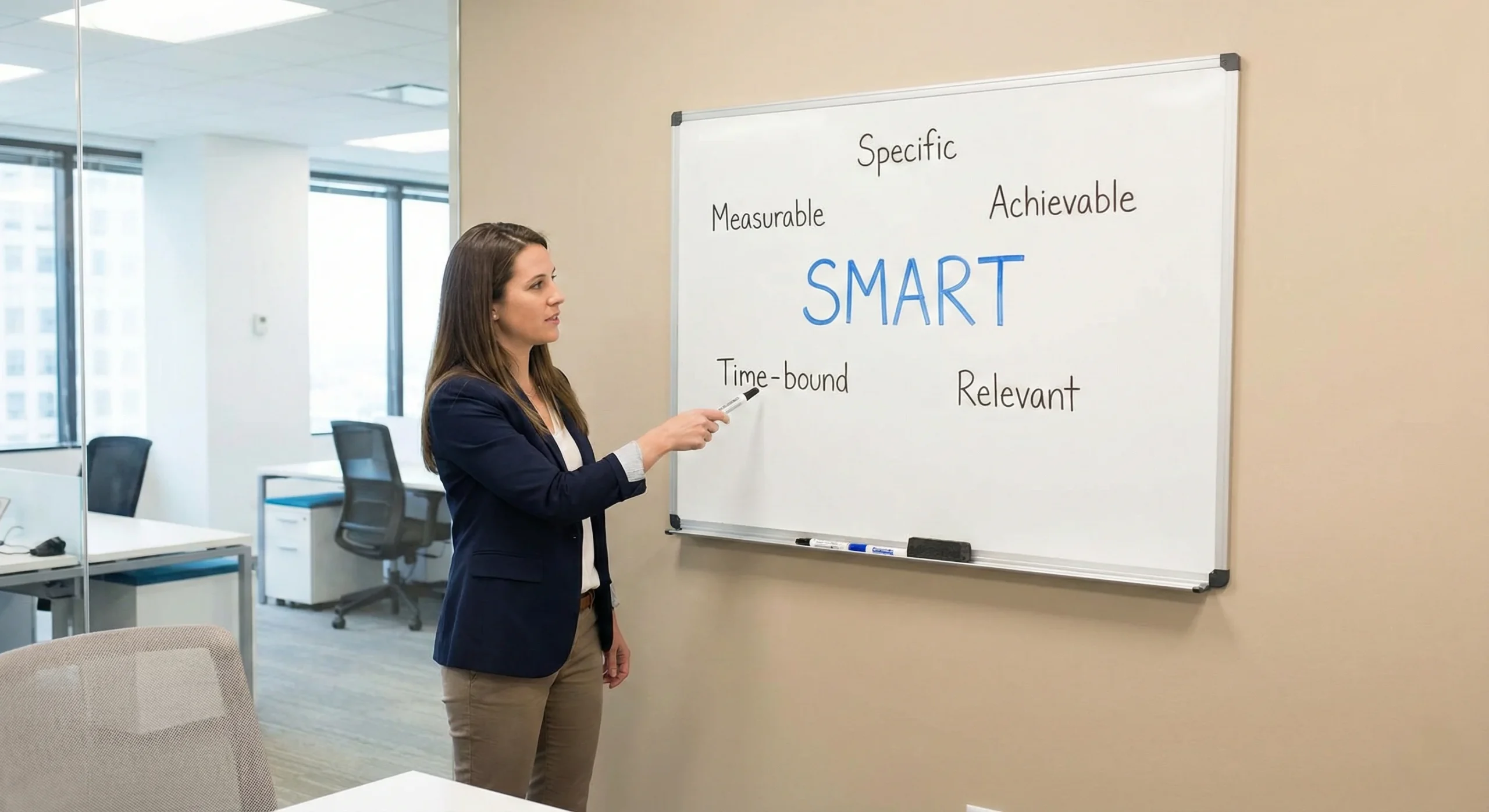
Defining wellness objectives and goals turns general intentions into clear targets that can guide program design and measurement. Without explicit goals, it is difficult to choose interventions, track progress, or demonstrate value to leadership.
Most effective wellness plans use the SMART framework—Specific, Measurable, Achievable, Relevant, and Time-bound—to articulate goals. SMART goals help ensure that wellness initiatives are realistic, data-driven, and aligned with broader HR and business strategies.
- Establishing SMART goals
Instead of a vague aspiration like “improve employee health,” a SMART goal might be “Increase the percentage of employees participating in at least one wellness activity per quarter from 30% to 55% within 12 months.” Another example is “Reduce self-reported high stress levels by a defined percentage within a set timeframe as measured by the annual engagement survey.” - Examples of common wellness objectives
Organizations often focus on objectives such as increasing physical activity, improving nutrition, reducing tobacco use, supporting mental health, and promoting preventive care utilization. For example, a company might set goals to “Increase annual preventive health checkups by 20%” or “Reduce the number of employees who report sleeping less than six hours per night by 15%.” - Aligning goals with business priorities
Wellness goals should be explicitly linked to outcomes like reduced sick days, lower health care claims, better safety metrics, or higher engagement scores. This alignment strengthens the business case and makes it easier to secure resources, because leaders can see how wellness contributes to organizational performance rather than existing as a separate HR initiative.
Building a Wellness Committee

A wellness committee is a cross-functional group that plans, promotes, and evaluates the wellness plan, ensuring it reflects real employee needs and has organization-wide support. This committee acts as an internal steering group, bridging HR, leadership, and employees at different levels and locations.
Having a committee spreads ownership of wellness and prevents the plan from depending on a single person, which is critical for sustainability and continuous improvement.
- Composition of the committee
A balanced committee typically includes HR representatives, line managers or supervisors, front-line employees, and sometimes union or safety representatives, depending on the organization. Including employees from different departments, shifts, and demographic groups ensures diverse perspectives and helps the plan be inclusive and realistic. - Roles and responsibilities
Common responsibilities include reviewing data from assessments, helping define goals, brainstorming and prioritizing program activities, supporting communication, and providing feedback on implementation challenges. The committee may also help select vendors, pilot new initiatives, and review regular progress reports to recommend adjustments. - Meeting schedules and communication channels
Many organizations schedule committee meetings monthly during startup phases and then quarterly as the plan stabilizes, with ad hoc meetings for major launches or evaluations. Committees typically use existing communication channels—such as intranet pages, all-hands meetings, email newsletters, or collaboration tools—to gather feedback and share updates on wellness initiatives. - Incorporating diverse employee insights
To avoid a top-down plan that misses key realities, committees often use focus groups, suggestion boxes, quick polls, or informal outreach to understand barriers and preferences across various employee segments. This input can influence everything from scheduling (e.g., shift workers vs. office staff) to the type of incentives that will be meaningful to different groups.
Designing the Wellness Program Components
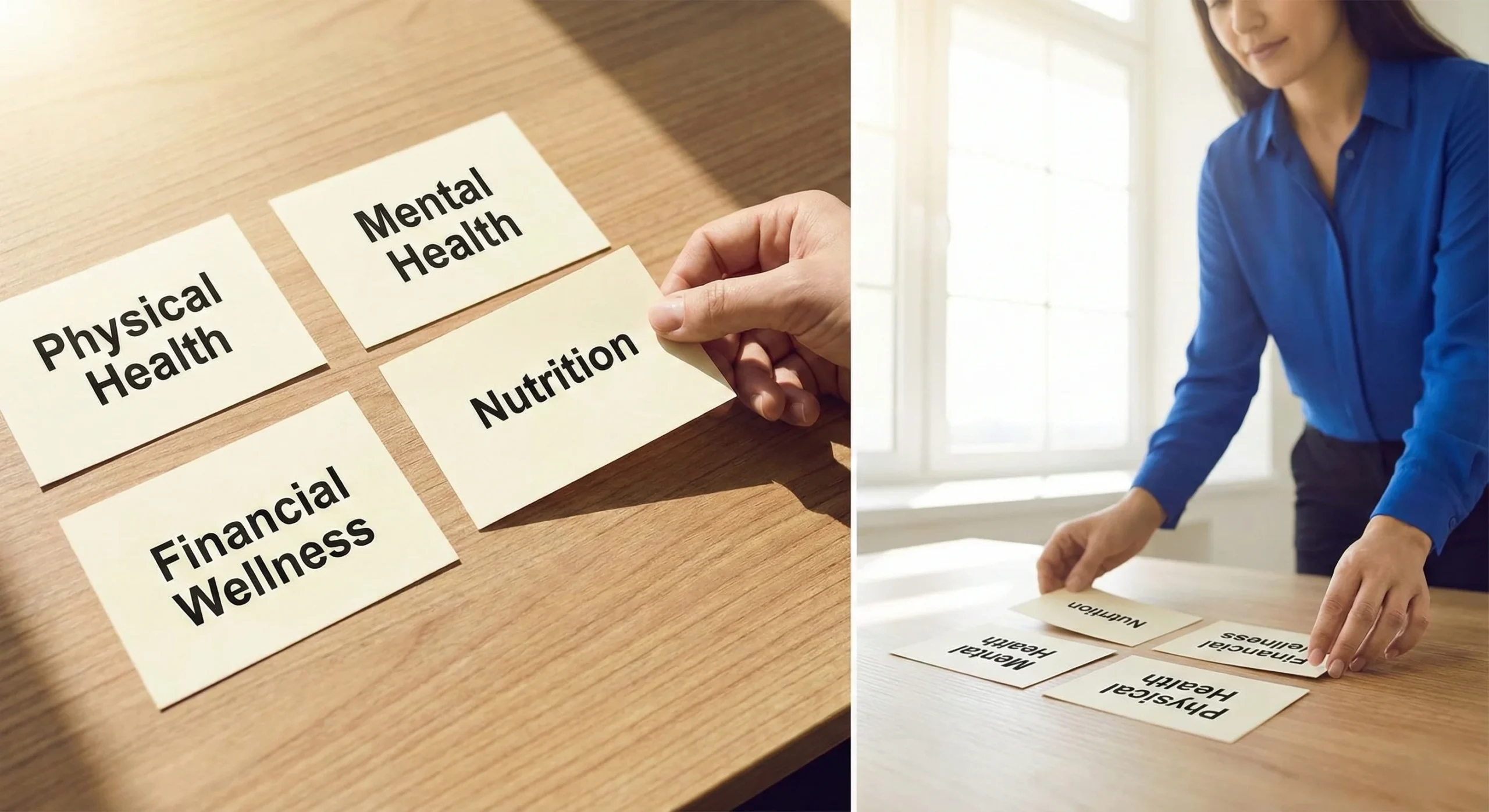
Designing wellness program components involves selecting and structuring activities, services, and supports that directly address the needs and goals identified earlier. A robust plan usually includes multiple dimensions of well-being, including physical, mental, social, and financial wellness, rather than focusing narrowly on one area.
The most successful programs balance education, behavior-change supports, and environmental changes, so employees are not only informed but also enabled and encouraged to act.
- Physical health components
Physical health initiatives often include fitness challenges, step competitions, walking groups, discounted gym memberships, and health screenings for blood pressure, cholesterol, or BMI. Some employers offer onsite or virtual exercise sessions, ergonomic assessments, and programs that encourage movement breaks during the workday. - Mental and emotional health components
Mental health elements may include stress management workshops, resilience training, mindfulness or meditation sessions, and access to Employee Assistance Programs (EAPs) or counseling. Some organizations also provide training for managers on recognizing signs of burnout and normalizing conversations about mental health. - Nutrition and diet components
Nutrition-based initiatives can involve healthy cafeteria options, guidelines for catering at meetings, educational campaigns on balanced diets, or weight management programs. Employers sometimes run themed challenges, such as “plant-based week” or “sugar reduction month,” paired with resources and recipes. - Financial wellness components
Financial stress is a major contributor to overall stress, so some wellness plans include workshops on budgeting, debt management, and retirement planning, or access to financial counseling services. Such programs support employees in making informed financial decisions, which can indirectly improve mental health and productivity. - Social and community engagement components
Social well-being initiatives might include volunteer days, interest-based clubs, or team-based challenges that encourage connection and camaraderie. Community-focused activities, like charity walks or group volunteering, can strengthen both employee relationships and the company’s public image. - Innovative and tailored activities
To increase relevance, many organizations tailor activities to their workforce, such as offering app-based challenges for remote teams, onsite stretching for manufacturing workers, or language-specific resources for diverse employee populations. Digital tools and wearable integrations can also be used to track activity, deliver micro-learning content, and personalize recommendations.
Budgeting and Resource Allocation
Budgeting and resource allocation determine the scale, depth, and sustainability of the wellness plan. Even modest budgets can be effective if they are aligned with priorities, used strategically, and supplemented with existing internal resources.
A clear budget also helps set expectations for what is feasible and allows HR to compare options such as building internal capacity versus partnering with vendors.
- Cost estimates for program activities
Wellness programs incur costs in several categories: assessments (such as HRAs or biometric screenings), program delivery (workshops, platforms, or coaching), incentives, communication, and administration. Organizations often estimate per-employee costs to evaluate affordability across different scenarios or vendor proposals. - Funding sources
Funding might come from HR budgets, benefits or health insurance budgets, safety programs, or cross-functional cost-sharing arrangements. Some organizations allocate a per-employee amount annually for wellness and then prioritize activities that fit within that framework. - Cost-effective strategies
Cost-effective options include leveraging internal experts for workshops, using digital platforms instead of exclusively in-person programs, and focusing on group-based activities rather than solely one-on-one services. Organizations also often start with low-cost cultural and environmental changes (like healthier food policies or walking meetings) before adding higher-cost components like individual coaching. - Potential external vendors and partners
Many employers work with wellness vendors, EAP providers, or health plans that offer integrated wellness services such as HRAs, portals, challenges, coaching, and reporting. When evaluating vendors, companies typically assess product quality, data security, customization, reporting capabilities, and total cost, often using structured question lists or RFP templates.
Developing Policies and Procedures
Policies and procedures provide the formal structure for the wellness plan, clarifying who is eligible, how programs operate, and how data and incentives are handled. Clear documentation reduces ambiguity, supports fairness, and helps ensure compliance with legal and regulatory requirements.
Well-crafted policies integrate wellness into existing HR frameworks rather than treating it as an informal side program.
- Eligibility criteria
Policies typically define which groups can participate—such as full-time employees, part-time employees, contractors, or dependents—and whether participation is voluntary or linked to benefits. They may also clarify any criteria for certain components (e.g., health coaching reserved for high-risk individuals) while maintaining non-discrimination. - Confidentiality and data privacy
Because wellness plans sometimes involve health-related data, policies must address how information is collected, stored, and used, and ensure compliance with applicable privacy and health information regulations in the relevant jurisdiction. Many organizations emphasize that individual health data is confidential and only aggregate data is shared with the employer for planning and evaluation purposes. - Participation guidelines and incentives
Procedures explain how employees enroll in programs, complete activities, and earn incentives, as well as any expectations for conduct during wellness events. For incentive-based programs, documentation may describe types of rewards, earning thresholds, timelines, and processes for dispute resolution. - Legal compliance and disclaimers
Organizations often include disclaimers that wellness programs are not a substitute for medical care and encourage employees to consult their healthcare providers before making major changes. Employers also aim to design incentive structures and eligibility rules that comply with local labor, discrimination, and health-related regulations.
Implementation Strategy
An implementation strategy turns plans into action by specifying what will happen, when, by whom, and through which channels. Without a structured rollout, even well-designed wellness plans can stall due to confusion, low visibility, or inconsistent support across the organization.
Effective implementation typically follows phased steps: preparation and pre-launch, launch, and ongoing operations, each with tailored communication and support activities.
- Timelines and schedules
Implementation plans often lay out a 12-month calendar that includes enrollment periods, campaign themes, assessment windows, and evaluation milestones. Sequencing activities—for example, starting with assessments and a broad awareness campaign, then moving into targeted challenges—helps avoid overwhelming employees and administrators. - Communication plan for awareness and engagement
A multi-channel communication strategy uses email, intranet, posters, staff meetings, and manager briefings to explain the purpose, benefits, and logistics of the wellness plan. Clear, simple messaging about “what’s in it for employees” and how to participate is critical for initial uptake and ongoing engagement. - Training and onboarding for managers and coordinators
Managers play a key role in normalizing participation by allowing time, avoiding stigma, and sometimes joining activities themselves. Practical briefings or toolkits can help managers answer questions, support flexible scheduling for wellness activities, and integrate wellness messages into team routines. - Promoting participation with incentives and recognition
Many organizations use a mix of intrinsic motivators (such as community and personal growth) and extrinsic incentives (such as gift cards, contributions to health accounts, or recognition). Public recognition, team competitions, and progress updates can also maintain momentum and encourage those who are undecided to join.
Monitoring and Evaluation
Monitoring and evaluation ensure that the wellness plan remains accountable and effective by tracking what is happening and what impact it is having. Data from participation, feedback, and outcomes allows HR and leaders to refine the plan, justify investments, and communicate results to stakeholders.
Evaluation is most useful when it is planned from the beginning, with clear metrics linked to the goals defined earlier.
- KPIs and success metrics
Common metrics include participation rates, completion rates of specific programs, employee satisfaction with offerings, changes in self-reported health or stress levels, and utilization of preventive services. Over time, organizations may also track links between wellness activities and indicators like absenteeism, turnover, engagement scores, or safety incidents, while recognizing that many factors influence these metrics. - Usage of surveys, logs, and health data
Short pulse surveys and annual engagement surveys can capture employee perceptions of wellness support, stress, and culture. Wellness platforms and vendors often provide dashboards showing program participation, completion of challenges, and aggregate health risk trends, which can be reviewed periodically by the wellness committee. - Regular reporting and feedback sessions
Scheduled reporting (for example, quarterly updates) keeps leadership and the wellness committee informed about progress, challenges, and resource needs. Feedback sessions with managers and employees can surface qualitative insights, such as scheduling conflicts or content preferences, that may not appear in quantitative data. - Adjustments based on evaluation results
Evaluation findings should inform decisions like expanding high-impact programs, revising underused components, adjusting incentives, or shifting focus to emerging needs (such as mental health or hybrid work challenges). This continuous improvement cycle helps the wellness plan remain relevant and responsive rather than static.
Sustaining Engagement and Continuous Improvement
Sustaining engagement and continuous improvement ensures that the wellness plan remains a living system rather than a one-time campaign. Employee needs, workforce demographics, and business conditions evolve, so wellness efforts must adapt accordingly to remain impactful.
Long-term success depends on maintaining visibility, refreshing content, and embedding wellness into the broader culture and processes of the organization.
- Reinforcing participation through incentives and recognition
Ongoing recognition of participants and teams—through internal communications, spotlight stories, or small awards—helps normalize wellness as part of work life. Periodic incentives, such as milestone rewards or team-based celebrations, can boost energy around key campaigns without making wellness feel purely transactional. - Incorporating employee feedback
Regularly collecting feedback through surveys, focus groups, or informal channels allows HR to understand what employees value most and where barriers persist. Demonstrating visible changes in response to feedback, such as adjusting program times or adding a new topic, builds trust and increases the likelihood of sustained engagement. - Staying updated with wellness trends and innovations
HR and wellness leaders often monitor trends such as digital mental health tools, personalized coaching, holistic well-being approaches, or hybrid-friendly programs. Adopting relevant innovations selectively can keep the program fresh and aligned with market expectations without losing focus on core objectives. - Scaling programs based on success
As data highlights which initiatives are achieving strong participation and positive outcomes, organizations may expand those programs to more locations or employee groups. Similarly, pilots that underperform can be refined or retired to free resources for more effective strategies.
Conclusion
A well-structured employee wellness plan is built, not improvised—it starts with understanding organizational needs, defining clear goals, and then designing, implementing, and evaluating coordinated actions that support employee well-being over the long term. When HR and leaders treat wellness as a strategic, data-informed initiative, they can create environments where employees are healthier, more engaged, and better able to contribute to organizational success. By following the step-by-step approach outlined in this guide—and continually learning from data, feedback, and real-world examples—organizations can develop wellness plans that are both practical and genuinely impactful for their people.