

Employee wellness programs have become a core part of how organizations support their people, manage healthcare costs, and improve productivity. They aim to encourage healthier lifestyles, reduce health risks, and create a more positive, engaged workforce. However, designing and running an effective wellness program over the long term is complex and requires more than just offering gym memberships or health screenings.
Many companies struggle with low participation, “check-the-box” engagement, uncertain ROI, and difficulty connecting wellness activities to measurable business outcomes. These challenges are often rooted in program design, incentives, culture, data, and leadership alignment.
A corporate wellness consultant specializes in solving exactly these types of problems. These consultants are typically experienced practitioners, academics, or specialists who understand behavior change, data analysis, benefits design, and organizational culture in depth. Their role is to help employers build, refine, and evaluate wellness programs so they are both effective and sustainable over time.
Below are five key ways a corporate wellness consultant can significantly improve your wellness program.
1. Solve Wellness Program Challenges
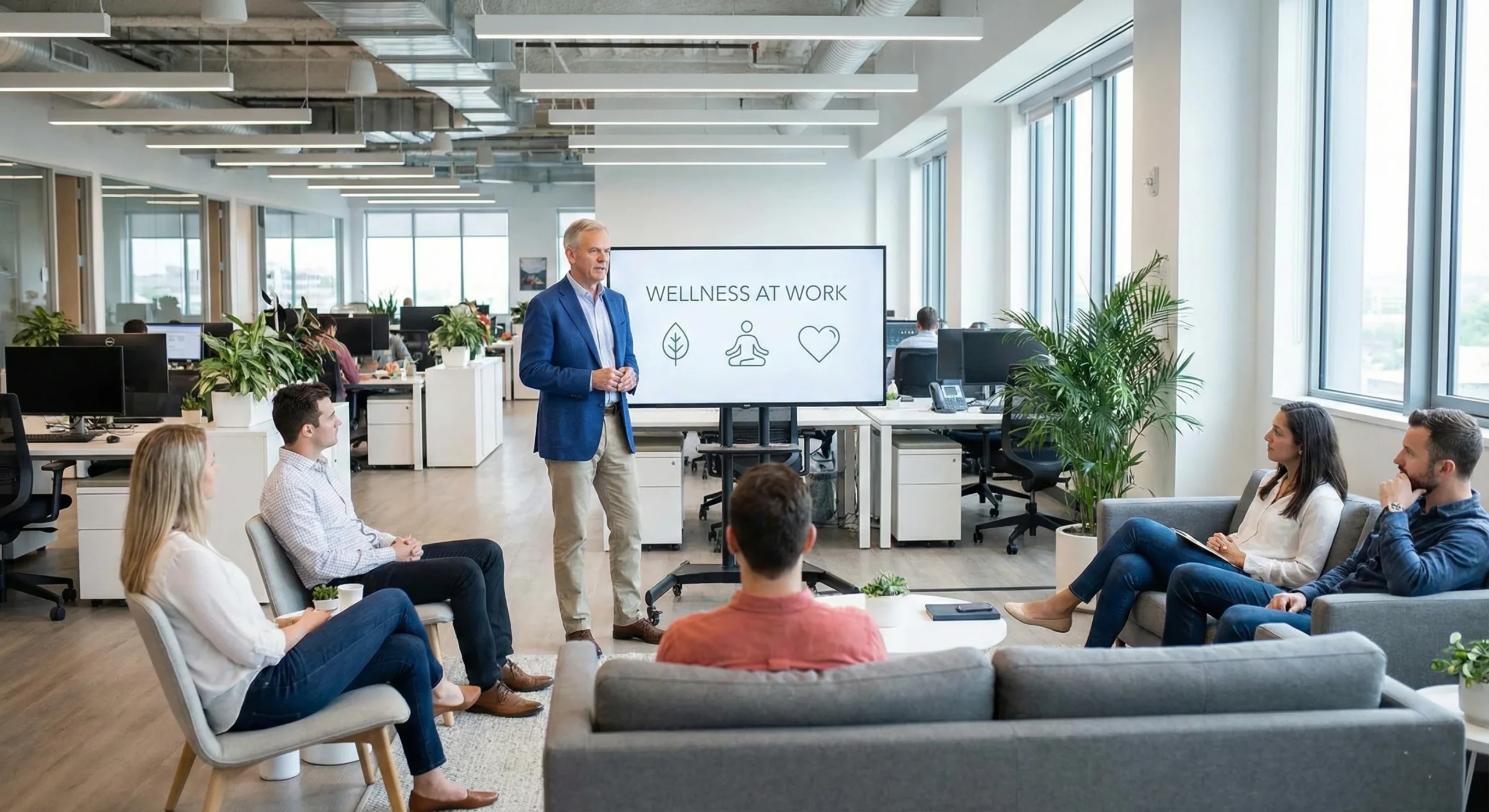
A wellness program can fail at many points in the behavior-change journey—from awareness and participation to sustained engagement and long-term health outcomes. One of the most common and visible issues is low or “hollow” engagement, where employees technically participate but are not truly committed or intrinsically motivated.
Low engagement can stem from many underlying causes, such as poorly designed incentives, weak leadership support, irrelevant activities, or ineffective communication. A corporate wellness consultant is trained to diagnose these root causes rather than just addressing surface-level symptoms.
How Consultants Diagnose and Fix Problems
A consultant typically starts with a structured assessment of your current program and environment. This often includes:
- Reviewing participation and engagement data across different activities and employee segments.
- Evaluating the nature of incentives (e.g., whether they are perceived as rewards or penalties).
- Assessing communication strategies—what channels are used, how often, and how messages are framed.
- Interviewing or surveying employees and managers to understand perceptions, barriers, and motivations.
- Examining leadership behavior and visible support for wellness initiatives.
For example, an organization might achieve very high participation by tying wellness activities to a significant insurance premium discount or surcharge. On the surface, this looks like a success. However, if employees feel forced into the program just to avoid paying a large penalty, the engagement is likely to be superficial. People may complete screenings or assessments but make no real effort to change behavior, and the program will struggle to deliver meaningful health or cost outcomes.
A consultant can identify such “hollow” engagement and recommend adjustments, such as reshaping incentives from punitive to supportive, adding more personalized and relevant programming, or shifting communication to emphasize autonomy, support, and long-term benefits rather than fear or pressure.
Building a Culture of Health
Beyond troubleshooting specific problems, consultants help build a broader culture of health that supports the program’s goals. That typically means:
- Ensuring wellness is visibly supported by senior leadership through words and actions.
- Aligning workplace policies (e.g., flexible breaks, healthy food options, movement-friendly environments) with wellness goals.
- Encouraging managers to model healthy behaviors and support their teams’ participation.
- Embedding wellness into the organization’s values, rituals, and recognition systems.
Every workplace has its own unique culture, constraints, and dynamics. A corporate wellness consultant uses experience across diverse worksites to recommend culture-change strategies that are realistic and tailored, rather than generic or one-size-fits-all.
2. Conduct Valid Data Analyses
Data is central to understanding whether a wellness program is working. It is not enough to know how many people signed up for an activity; organizations need to understand changes in health risks, health behaviors, productivity, and healthcare costs over time. This requires precise data collection, careful integration of different data sources, and appropriate statistical analysis.
Many HR and benefits teams are highly capable, but they may not have specialized training in health data management or statistical methods. A corporate wellness consultant brings this expertise, helping ensure that conclusions about program performance are grounded in sound evidence rather than assumptions.
What Data Consultants Help You Use
A consultant can help you identify what data is needed, how to gather it, and how to interpret it. Typical data categories include:
- Participation data: enrollment, completion rates, and frequency of use across various wellness activities.
- Behavior change measures: changes in physical activity, nutrition, smoking status, sleep habits, or stress levels based on assessments or surveys.
- Health risk data: biometric indicators such as blood pressure, cholesterol, BMI, and blood glucose when collected and used ethically and in compliance with regulations.
- Productivity metrics: absenteeism, presenteeism, and sometimes performance indicators, where appropriate and privacy-compliant.
- Healthcare cost data: medical and pharmacy claims, stratified by participants and non-participants when feasible and properly anonymized.
Collecting data is only part of the challenge. Matching program participation to claims data, adjusting for medical inflation, and correctly comparing different employee groups require specialized analytic skills. A consultant typically has training in epidemiology, biostatistics, health economics, or a related field and is familiar with the methods used in peer‑reviewed research.
Turning Data into Reliable Insights

With the right analytic approach, a consultant can:
- Determine whether participants show statistically significant improvements in health risks or behaviors compared to non-participants.
- Estimate differences in healthcare costs between participants and non-participants, adjusted for relevant factors and time.
- Calculate a credible estimate of return on investment (ROI) or value on investment (VOI), including non-financial outcomes like morale or engagement where measurable.
- Identify which program elements are driving the most impact and where resources should be reallocated.
The goal is not necessarily to publish in academic journals, but the methods used should be rigorous enough that, in principle, they could withstand that level of scrutiny. This level of rigor increases confidence among executives, finance teams, and other stakeholders that the program is delivering real value—not just anecdotal success stories.
3. Guide Wellness Program Design
Program design is one of the most powerful levers for improving wellness outcomes. Even with strong intent and adequate budget, a poorly designed program can underperform or even harm morale. A corporate wellness consultant helps ensure that incentives, activities, and policies are structured to support sustainable, meaningful participation.
Designing Effective Incentives
In many high-performing wellness programs, incentives are tied to employee benefits, such as:
- Discounts or contributions related to health insurance premiums.
- Employer contributions to health savings accounts (HSAs) or similar vehicles.
- Paid time off for participation in specific wellness activities.
- Benefit-plan design features that reward preventive care or evidence-based behaviors.
Consultants help organizations choose and structure these incentives so that they:
- Provide sufficient motivation to participate and stay engaged.
- Encourage ongoing behavior change rather than one-time actions.
- Are perceived as fair and supportive rather than punitive or coercive.
- Align with organizational values and culture.
For example, a consultant might recommend moving from purely participation-based rewards (e.g., complete a screening and receive a discount) to a mix of participation and outcomes-based elements, such as achieving or maintaining certain health improvements, while putting appropriate safeguards in place to protect employees who face greater health challenges.
Navigating Legal and Compliance Requirements
Wellness programs intersect with a number of legal and regulatory frameworks, including, in many jurisdictions, rules related to discrimination, privacy, benefits, and health information. These may involve regulations similar in nature to those found in laws such as:
- Requirements around genetic information and family medical history.
- Equal employment and non-discrimination standards.
- Health insurance and portability protections.
- Employee retirement and benefit plan standards.
A corporate wellness consultant helps employers design incentive structures and data collection practices that align with applicable regulations and current guidance. This reduces legal risk and helps ensure that wellness programs are voluntary in spirit as well as in name, respect confidentiality, and avoid unfair treatment of employees based on health or risk factors.
Tailoring Program Design to the Workforce
Beyond incentives and compliance, consultants help tailor the content and structure of the program to the organization’s demographics, locations, job roles, and identified needs. That might include:
- Selecting appropriate mix of digital tools, onsite activities, coaching, and group challenges.
- Offering tiered or flexible options so employees at different health levels can participate meaningfully.
- Ensuring accessibility and inclusivity for employees with disabilities, chronic conditions, or non-traditional schedules.
- Aligning wellness themes with broader organizational initiatives (e.g., safety, diversity and inclusion, or leadership development).
This level of customization helps ensure that the program feels relevant and attainable for employees, which in turn improves participation, satisfaction, and outcomes.
4. Develop Healthcare Cost Containment Strategies
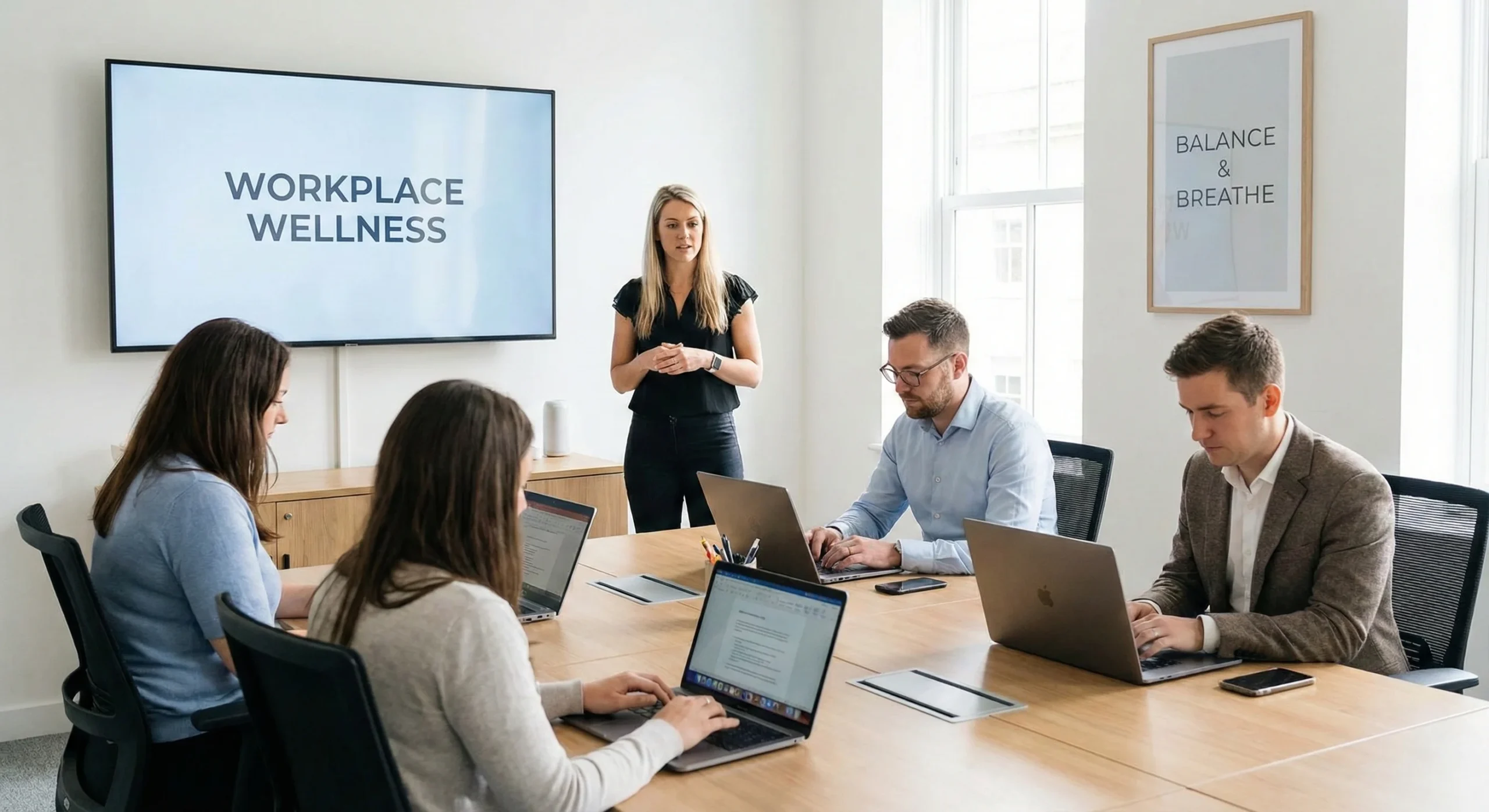
One of the most visible expectations placed on wellness programs is their potential to help control or reduce healthcare costs. While not every program will deliver large short-term savings, well-designed wellness initiatives can support long-term cost containment by reducing health risks, preventing disease progression, and supporting better management of chronic conditions.
Corporate wellness consultants bring a whole-system perspective to this challenge, helping employers integrate wellness with other elements of their benefits and care-management strategies.
Integrating Wellness with Benefits and Care Management
A consultant can help link wellness programming with:
- The organization’s health benefits plan design, including deductibles, copays, and coverage for preventive services.
- Disease management programs that help employees manage conditions like diabetes, hypertension, or asthma.
- Case management services that support employees with complex health needs in navigating the healthcare system.
- Pharmacy management strategies that promote safe, cost-effective medication use.
Rather than operating as a standalone initiative, the wellness program becomes a gateway that guides employees toward appropriate resources and supports. For instance, biometric screenings and health risk assessments can identify high-risk individuals who can then be connected with disease management or coaching programs designed to help them manage conditions more effectively.
Targeting Both High-Risk and Low-Risk Employees
Effective cost containment strategies consider the full risk spectrum:
- High-risk employees: Those with existing chronic conditions or multiple risk factors can be supported with targeted interventions, coaching, specialist referrals, and tailored benefits that help prevent avoidable complications and hospitalizations.
- Low-risk employees: Those who are currently healthy can be offered preventive programs, education, and supportive environments to help maintain their low-risk status and avoid drifting into higher risk categories.
A consultant helps design programming that addresses both groups simultaneously. This dual focus helps control the costs associated with chronic disease while also stabilizing or improving overall population health, which is critical for long-term cost trends.
Aligning with Funding and Plan Strategies
Consultants also advise on how wellness programs interact with broader funding and cost-management approaches, such as:
- High-deductible health plans that encourage more informed use of healthcare services.
- Self-funding arrangements where employers directly bear medical costs and thus have a more immediate financial stake in health outcomes.
- Prescription management strategies that balance access, adherence, and cost.
When wellness is thoughtfully integrated with these structures, organizations are in a stronger position to see meaningful reductions or slower growth in both medical and pharmaceutical spending over time.
5. Execute Specialized Wellness Projects
Beyond ongoing program management, many employers encounter unique or complex challenges that require specialized expertise. Corporate wellness consultants often have broad and deep skills that allow them to lead or support these projects effectively.
Types of Specialized Projects
Examples of specialized worksite wellness projects include:
- Custom software or platform development to support wellness tracking, engagement, data collection, or reporting.
- Data integration and platform design, such as creating a centralized system that brings together wellness participation data, biometric results, survey data, and claims information.
- Designing and evaluating pilot programs or unique challenges, such as organization-wide health campaigns or targeted interventions for specific employee groups.
- Developing training and educational materials, including workshops, manager training, or white papers that explain program results and best practices.
- Building and maintaining data warehouses that allow employers to monitor trends in healthcare costs, productivity, morale, and health outcomes over time.
These projects often go beyond what a typical internal HR or benefits team can handle alone, especially when they involve advanced analytics, technology integration, or formal documentation of results for internal or external stakeholders.
Creating a Culture of Continuous Improvement
By executing these specialized projects, consultants help employers move from a one-time or static view of wellness to a culture of continuous improvement. With a robust data infrastructure and clear reporting:
- Leaders can quickly see where the program is succeeding and where adjustments are needed.
- HR and benefits teams can test new ideas, measure their impact, and scale what works.
- Employees benefit from programs that evolve to better meet their needs and preferences over time.
Ultimately, specialized projects enable organizations to treat wellness as a strategic, data-informed capability rather than a collection of isolated activities.
Conclusion
A corporate wellness consultant can play a pivotal role in transforming an employee wellness program from a basic set of activities into a strategic, evidence-based initiative that supports both employee well‑being and organizational performance.
By solving foundational program challenges, conducting rigorous data analyses, guiding thoughtful program design, developing healthcare cost containment strategies, and executing specialized projects, consultants bring a level of expertise and structure that is difficult to replicate internally without significant dedicated resources and experience.
If your current wellness program is underperforming, facing engagement or measurement challenges, or struggling to demonstrate value, engaging a corporate wellness consultant can provide the insight and support needed to move from good intentions to measurable, sustainable results.