

Employee wellness is no longer a “nice-to-have”; it is directly linked to productivity, engagement, and retention. Healthier employees tend to report better focus, higher job satisfaction, and reduced absenteeism, which supports overall business performance. Employee wellness apps extend these programs by offering always-on access to tools like activity tracking, mental health support, and nutrition guidance, making healthy choices easier throughout the workday.
The purpose of this blog is to walk HR leaders, business owners, and wellness coordinators through a clear decision-making process for choosing an employee wellness app that fits their workforce, budget, and strategic goals. By the end, you will know which features matter, how to compare vendors, and what it takes to drive adoption and ROI in your organization.
Understanding Your Company’s Wellness Needs
This section explains how to clarify what your workforce truly needs before you ever compare app features or pricing. A structured needs assessment helps you avoid buying a generic solution that employees ignore and instead select an app that fits your culture, health risks, and engagement style.
- Assess workforce demographics and health goals
- Look at age distribution, roles (desk-based vs. frontline), work schedules, and geographic spread, because these factors influence what types of wellness support are most relevant and how employees prefer to access digital tools.
- Analyze existing health data where appropriate (aggregated claims, absenteeism trends, ergonomic issues, reported stress) to understand priority areas like musculoskeletal health, burnout, or lifestyle-related risks such as inactivity.
- Identify key wellness focus areas (mental health, fitness, nutrition, etc.)
- Effective wellness programs often combine physical activity, mental well-being, and nutrition instead of focusing on a single dimension.
- Decide whether your immediate emphasis is stress reduction and resilience, increasing daily movement, improving sleep, supporting chronic condition management, or building social connection, because this will shape the feature set you require from an app.
- Use employee feedback and surveys for app feature priorities
- Short surveys or focus groups can reveal whether employees value guided meditations, step challenges, coaching, sleep tracking, or food-logging more, helping you prioritize features that will actually be used.
- Gathering input early also signals that the program is being built “with” employees, not “for” them, which tends to drive higher engagement and better adoption of wellness initiatives.
Key Features to Look For

This section outlines the core capabilities that differentiate a robust employee wellness app from a basic tracker. Focusing on these criteria helps ensure the solution can support diverse needs, sustain engagement, and meet your organization’s security and compliance requirements.
- Individualized health plans and customization options
- Strong platforms allow users to personalize goals (steps, sleep, nutrition, mindfulness minutes) and receive tailored recommendations or plans based on their current health level, preferences, and progress.
- Advanced solutions use data from activity, mood, and habits to adjust programs dynamically, which supports more sustainable behavior change and better long-term outcomes than one-size-fits-all content.
- Comprehensive fitness and activity tracking capabilities
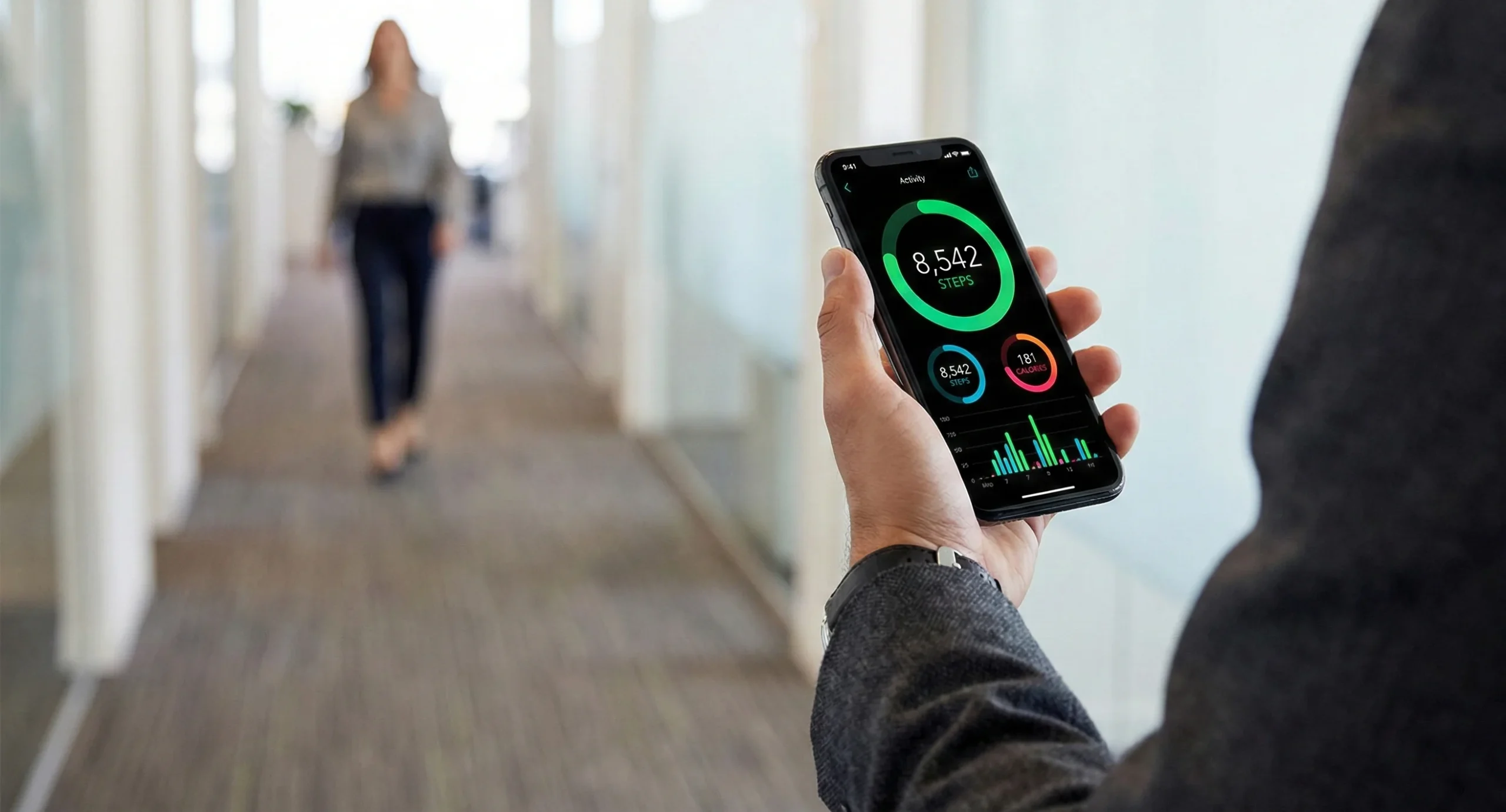
- Look for features such as step counting, workout logging, integration with wearables, and progress dashboards so employees can see how their activity accumulates over time.
- Tracking physical activity and providing regular feedback can increase movement levels and support improvements in key health indicators such as cardiovascular fitness or weight management.
- Nutrition and meal tracking integration
- Many wellness apps now include food-logging, calorie or macronutrient tracking, and simple meal planning tools to help employees make better everyday nutrition decisions.
- Nutrition features can support goals like weight control, energy management, and metabolic health, especially when combined with physical activity and sleep support.
- Mental health and stress management support tools
- Effective employee wellness apps increasingly include guided meditations, breathing exercises, mood tracking, and sleep support, recognizing the strong connection between stress, mental health, and job performance.
- Some platforms integrate virtual therapy, coaching, or self-guided cognitive-behavioral tools, which can help employees access mental health resources earlier and more conveniently than traditional channels.
- User engagement and motivational features (gamification, reminders, rewards)
- Gamification elements such as challenges, leaderboards, badges, and streaks can significantly increase ongoing participation by making healthy behaviors feel more social and rewarding.
- Push notifications, tailored reminders, and incentive systems (points, rewards, recognition) help employees remember to use the app and maintain healthy routines over time.
- Ease of use and accessibility across devices
- A clean, intuitive interface with simple navigation is critical; apps that are confusing or slow tend to see rapid drop-offs in usage, regardless of how many features they offer.
- Ensure compatibility with major mobile platforms, browser access where needed, and support for wearables or HR systems your organization already uses, so employees can engage in a way that fits their daily workflow.
- Data security and privacy compliance (HIPAA, encryption standards)
- Any app handling health-related data should use strong encryption, clear consent flows, and role-based access controls, and where applicable, comply with relevant privacy regulations.
- Transparent privacy policies and strict data governance practices help build employee trust, which is essential for adoption, especially when sensitive information like mood or health metrics is involved.
Evaluating App Options

This section describes how to compare vendors objectively so you choose a solution that is credible, sustainable, and aligned with your infrastructure and budget. A structured evaluation process reduces the risk of low adoption or hidden costs later.
- Research app reputation and user reviews
- Check independent reviews, case studies, and client testimonials to understand real-world usage, common strengths, and recurring issues such as technical glitches or poor customer support.
- Give extra weight to feedback from organizations similar to yours in size or industry, since their experience is more likely to predict how well the app will fit your context.
- Use trial periods and demos for hands-on evaluation
- Many vendors offer pilots or demos; involving a small, diverse group of employees in testing helps you evaluate usability, feature relevance, and overall engagement before a full rollout.
- During trials, track basic metrics such as login frequency, time spent in key modules, and feedback on ease of use to identify potential adoption barriers early.
- Check integration with existing wellness programs and wearables
- Confirm whether the app can connect with your benefits portal, HRIS, single sign-on, and popular devices (e.g., major fitness trackers), to streamline sign-ups and data flows.
- Integrated systems reduce administrative workload and provide a more unified experience for employees, which can support higher sustained participation.
- Consider cost and budget alignment
- Compare pricing models (per-employee-per-month, tiered plans, or bundled services) and understand what is included—such as coaching, support, reporting, and customization.
- Place cost in the context of potential returns, including lower healthcare costs, fewer sick days, and improved retention, to determine whether the investment is reasonable for your organization.
Implementation and Adoption Strategies

This section focuses on how to introduce the app so employees actually use it and keep using it. Even the best technology underperforms if launched without clear communication, support, and feedback loops.
- Communicate app benefits to employees effectively
- Explain in simple terms how the app will help employees in their daily lives—better energy, stress relief, healthier routines—rather than only emphasizing organizational benefits.
- Use multiple channels (email, town halls, manager briefings, internal social platforms) and highlight success stories or pilot user experiences to build interest and trust.
- Encourage initial and sustained engagement
- Launch with time-bound challenges, team competitions, or onboarding campaigns that guide employees through key features in the first few weeks.
- Empower managers and wellness champions to model app usage, share progress, and recognize participation, since social norms and peer encouragement strongly influence health behavior engagement.
- Provide training and support resources
- Offer quick-start guides, short videos, and FAQs that show employees how to set goals, connect devices, and navigate major modules to lower the barrier to first use.
- Ensure there is accessible technical and program support (either internal or vendor-supplied) so issues are resolved quickly, preventing frustration and drop-off.
- Gather ongoing feedback for app adjustments
- Regularly collect feedback through in-app surveys, pulse polls, or focus groups to identify which features are most valued and where employees face friction.
- Use these insights to adjust communication, challenges, or even configuration of the app so it remains relevant as workforce needs and preferences evolve.
Measuring Success and ROI
This section outlines how to define success metrics for your wellness app and connect them to organizational outcomes. Clear measurement helps justify the investment and guide continuous improvement.
- Set measurable wellness goals and KPIs
- Establish specific targets such as participation rates, average weekly logins, completion of challenges, or improvements in self-reported stress and activity levels.
- Align these app-level KPIs with broader wellness objectives like reducing burnout risk, improving perceived well-being, or increasing awareness of available mental health resources.
- Track usage data and employee health outcomes
- Use the app’s analytics to monitor engagement trends, popular features, and changes in aggregated activity, sleep, or mood indicators over time, while respecting privacy requirements.
- Combine app data with HR metrics such as absenteeism, turnover, or healthcare cost trends to understand how digital wellness engagement relates to broader organizational results.
- Adjust wellness strategies based on app performance
- If data shows low engagement with certain modules (e.g., meditation) but high participation in challenges, shift communication or incentives toward what resonates while still promoting underused but valuable features.
- Over the long term, organizations that review wellness metrics and adapt their approach tend to capture stronger returns in productivity, retention, and cost control than those that treat wellness as a static initiative.
Conclusion
Choosing the right employee wellness app requires more than selecting a popular brand; it means understanding your workforce, prioritizing features that support whole-person health, and ensuring strong data protection and usability. Organizations that align app capabilities with clear wellness goals, robust communication, and continuous measurement are more likely to see meaningful improvements in employee well-being, engagement, and business outcomes. By following the steps in this guide—needs assessment, feature evaluation, structured vendor review, thoughtful rollout, and ROI tracking—your company can select an employee wellness app that employees actually use and that supports a healthier, more resilient workplace.