
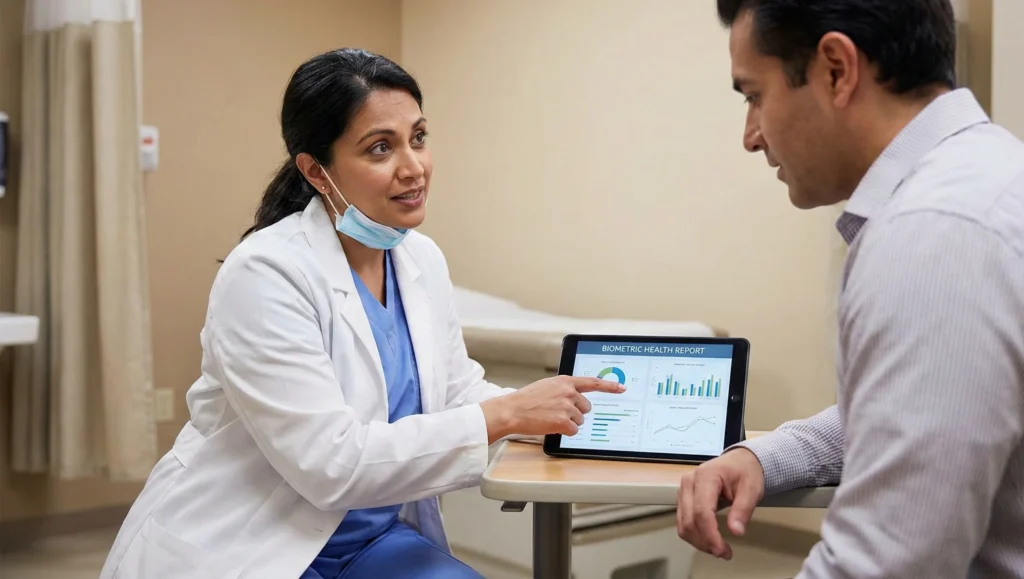
Biometric screening is a short health check that measures key indicators like blood pressure, cholesterol, blood glucose, and body composition to give a snapshot of a person’s current health status. These screenings help detect early warning signs of chronic conditions such as heart disease, diabetes, and hypertension before symptoms appear, which makes them a powerful foundation for any employee wellness strategy. When biometric screening is integrated into a structured program with follow‑up support, organizations can help employees understand their risks and take action to improve long‑term health outcomes.
Step 1: Understand Biometric Screening Options
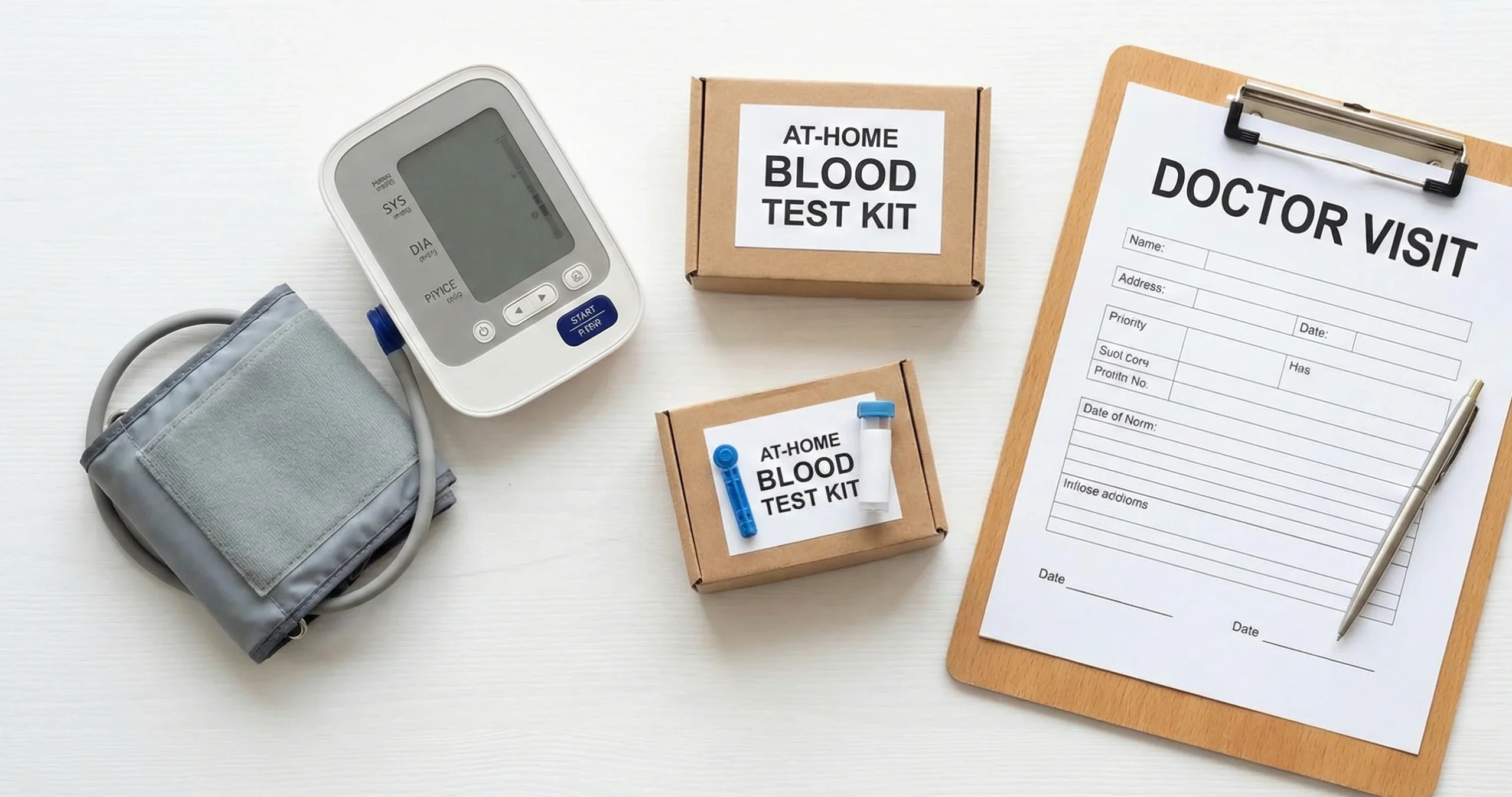
This section explains the main delivery models for biometric screening and how to decide which option best fits your workforce and budget. The choice of method affects cost, participation, logistics, and how easily the data can be integrated into your wellness program.
- Onsite biometric screening
- A screening vendor sends trained staff to the workplace, sets up in a conference room or clinic space, and performs measurements and blood tests during scheduled time slots.
- Onsite events typically cost a set fee per participant and can be more cost‑effective for large, centralized employee populations because you avoid individual clinic billing and make it easier for employees to attend during work hours.
- At‑home biometric screening kits
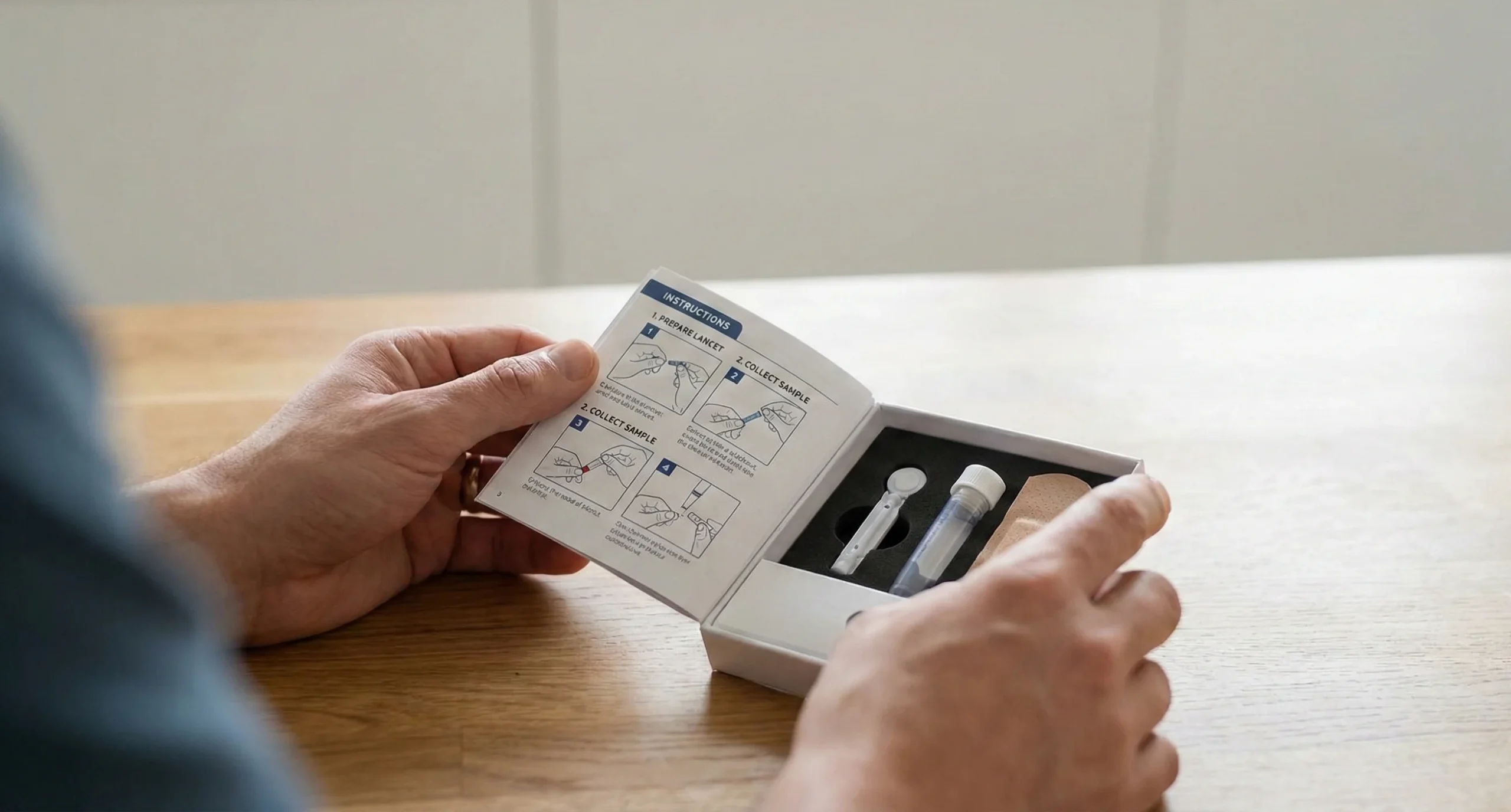
- Employees receive a kit with clear instructions to collect a small blood sample (usually via fingerstick) and to record measurements such as height and weight, then send the sample to a lab using prepaid packaging.
- This option is useful for remote or geographically dispersed teams because it removes travel barriers and lets employees complete screening on their own schedule, though it requires extra attention to clear instructions and support to maintain data quality.
- Physician or third‑party lab screenings
- Employees complete screenings during a regular primary care visit or at a partner lab, and results are documented on a standardized form or transmitted electronically back to the wellness program.
- For fully insured plans, biometric testing is often covered as preventive care, while self‑insured employers may find it cheaper to host onsite screening rather than pay individual claims.
- How to choose the right method
- Centralized workforces with many employees in one location often benefit most from onsite events, while hybrid and fully remote teams may need a mix of at‑home kits, labs, and physician forms to maximize participation.
- Budget, existing vendor relationships, and internal administrative capacity should guide whether you focus on a single method or offer multiple pathways to complete screening.
Step 2: Prepare for the Screening
Proper preparation improves data accuracy, protects privacy, and helps employees know what to expect so they are more likely to participate. This step covers both individual preparation and organizational logistics.
- Employee preparation guidelines
- Many programs ask participants to fast for 8–12 hours before screening (water is usually allowed) when measuring fasting blood glucose and lipid profiles to reduce the risk of skewed results from recent meals.
- Employees are typically advised to stay hydrated, avoid vigorous exercise and caffeine shortly before the appointment, and continue prescribed medications unless their physician gives different instructions.
- Scheduling and communication
- Clear communication should include the purpose of the screening, what will be measured, how long it will take, how to prepare (including fasting instructions), and how incentives, if any, are earned.
- Using online scheduling tools, reminder emails, and calendar holds helps reduce no‑show rates and spreads traffic evenly across time slots to prevent bottlenecks on screening day.
- Privacy and compliance considerations
- Health information collected in biometric screenings is generally treated as protected health information, so programs must follow applicable privacy, security, and breach‑notification rules and ensure data is handled through secure systems.
- Many employers use third‑party wellness vendors or labs specifically so that individual managers never see personal results, and only de‑identified or aggregated reports are shared at the organizational level.
Step 3: Conducting the Screening

This step focuses on what actually happens during a biometric screening appointment and how to deliver a consistent, efficient experience. While details vary by vendor and location, the core elements are similar across most programs.
- Typical measurements and tests
- Common biometric measures include height, weight, waist circumference, body mass index, blood pressure, pulse, fasting blood glucose, and a lipid panel covering total cholesterol and related markers.
- Blood samples are usually collected through a fingerstick or venipuncture, depending on the level of detail required and the protocols used by the screening provider.
- Onsite vs offsite procedures
- In onsite events, staff set up measurement stations (check‑in, vitals, blood draw, and checkout), and participants move through in a defined sequence that typically takes 15–30 minutes.
- Offsite and physician‑based screenings follow medical facility workflows, but they still collect similar data; standardized forms or digital interfaces are used so values can be shared back with the sponsoring employer or wellness program.
- Operational tips for a smooth event
- Allocating enough space, ensuring privacy screens, providing clear signage, and building in time between appointments all help keep lines short and maintain confidentiality.
- Having trained staff on hand to answer questions and check forms for completeness reduces errors and follow‑up work while improving employee confidence in the process.
Step 4: Collecting and Managing Biometric Data
Collecting high‑quality data is only useful if the information is securely captured, stored, and made available for risk analysis and follow‑up programs. This step is about how results move from the screening encounter into your wellness ecosystem.
- Methods to collect results
- Onsite screening vendors often provide a digital file (such as a spreadsheet or direct system export) containing biometric values for participants, which can be fed into wellness portals or population health analytics tools.
- For physician and at‑home kits, employees may upload forms via secure apps, portals, or fax to the wellness vendor, who then verifies the information before adding it to the central database.
- Data security and privacy
- Secure transmission methods (for example, encrypted connections and password‑protected uploads) and restricted access controls are used to minimize the risk of unauthorized disclosure.
- Written privacy policies describing how data is collected, stored, and used help meet regulatory expectations and build participant trust in the program.
- Integrating biometric data with wellness programs
- Biometric results are often combined with health risk assessment surveys to create a more complete risk profile and to personalize recommendations or program invitations.
- Aggregated reporting allows organizations to understand the prevalence of elevated blood pressure, cholesterol, glucose, and obesity in their workforce, which in turn guides investment in targeted campaigns like nutrition, physical activity, or tobacco cessation.
Step 5: Interpreting and Using Biometric Results
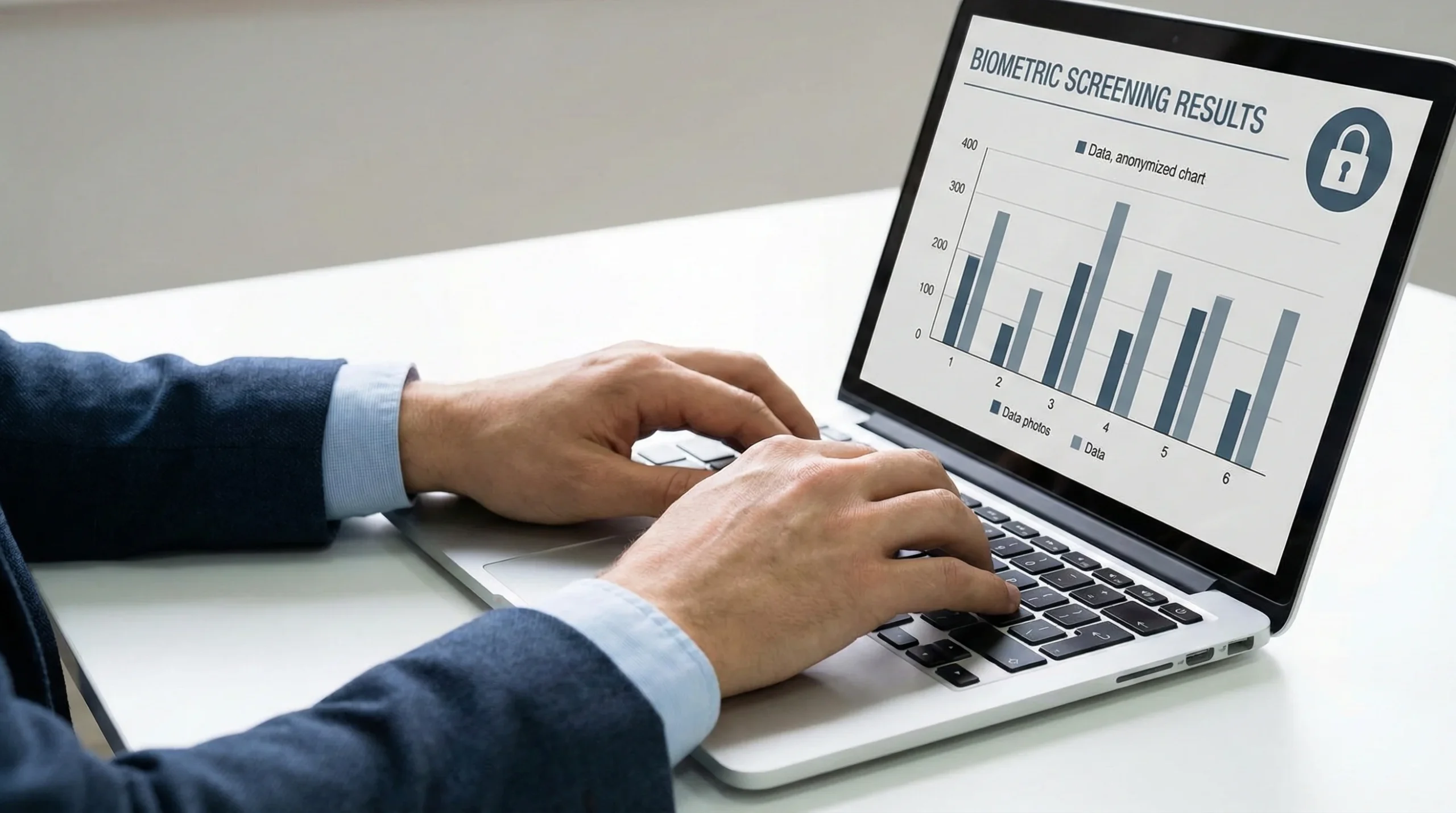
Interpreting screening data is critical for turning raw numbers into meaningful insights and actions for both employees and employers. This step covers how to understand values, identify risk, and communicate results in a useful way.
- Understanding healthy and elevated values
- Large epidemiological studies have shown strong associations between elevated blood pressure, high cholesterol, high blood glucose, excess body fat, and the incidence of diseases like heart disease, diabetes, and some cancers.
- Screening reports usually compare an individual’s values to established clinical ranges and flag results that fall into high‑risk or borderline‑high categories so participants can see where they stand relative to recommended targets.
- Generating risk scores and identifying high‑risk individuals
- Many wellness platforms convert biometric and survey data into composite risk scores that categorize participants into low, moderate, or high‑risk groups.
- Employees with markedly elevated factors (for example, very high blood pressure or blood glucose) are often flagged for priority outreach, such as nurse calls or referrals to medical care, because early intervention can prevent serious complications.
- Communicating results to participants
- Participants commonly receive an easy‑to‑read report or dashboard that summarizes each metric, highlights problem areas, and recommends follow‑up steps such as scheduling a doctor visit or joining specific wellness programs.
- Brief coaching or consultation opportunities, whether in person, by phone, or through digital messaging, help employees interpret the numbers and understand which behavior changes will have the greatest impact.
Step 6: Encouraging Behavior Change and Follow‑up
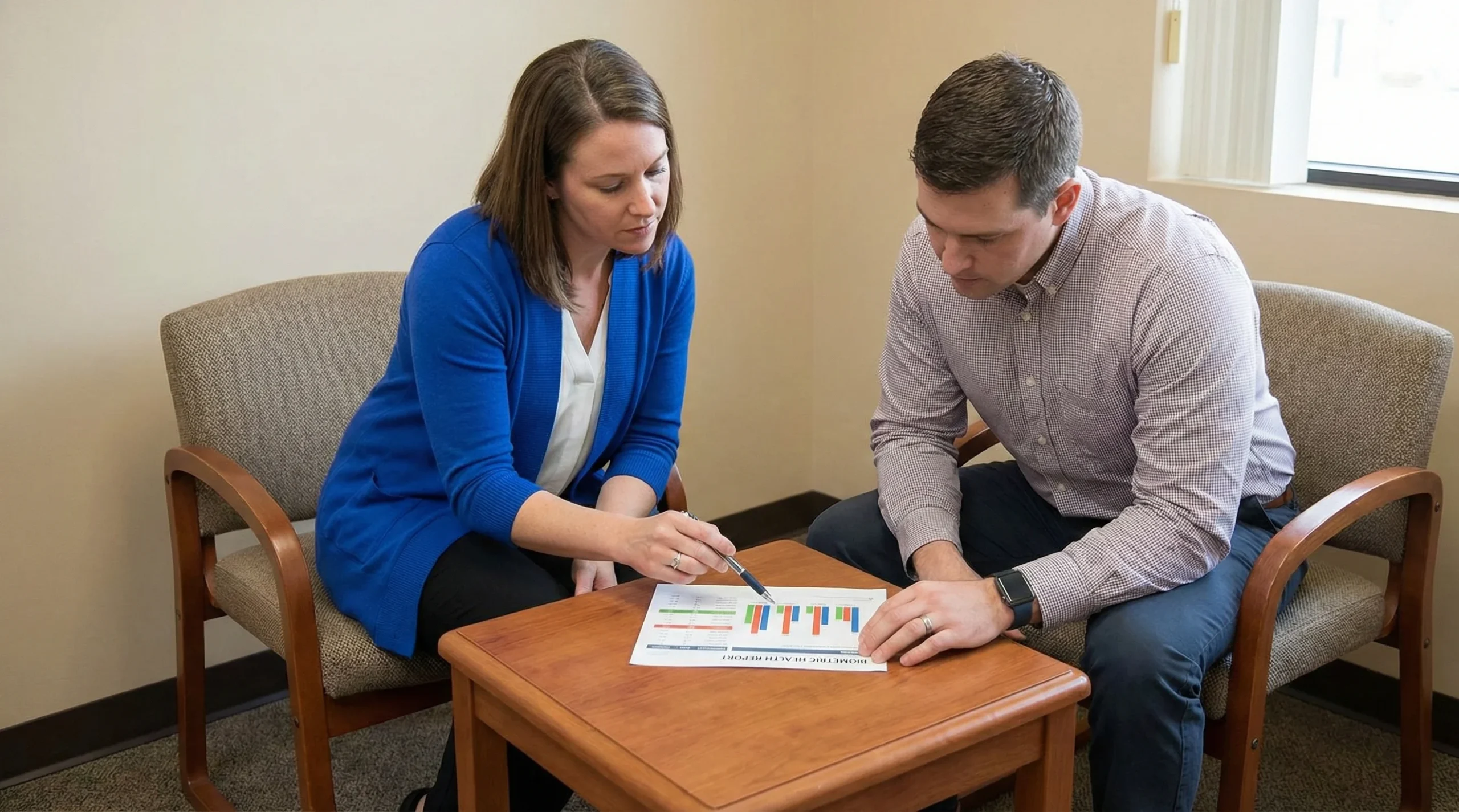
Screening alone does not improve health; meaningful outcomes come from the behavior change programs and clinical follow‑up that happen afterward. This step focuses on how to move from numbers to sustained action.
- Why follow‑up interventions matter
- Evidence over several decades shows that when elevated risk factors are reduced—through lifestyle changes, medications, or both—the incidence of chronic diseases declines.
- Without structured support, many employees who learn they have high risk factors do not maintain the changes needed to improve their health, which is why linking screening directly to programs and resources is so important.
- Lifestyle and behavior change programs
- Effective wellness programs typically offer targeted campaigns, challenges, courses, or coaching that help employees improve nutrition, physical activity, sleep, stress management, and other behaviors that drive biometric risk.
- Intensive lifestyle interventions focused on diet and exercise have been shown to reduce elevated cholesterol, blood pressure, blood glucose, and body fat in relatively short timeframes when participants adhere to them.
- Role of medical care and medications
- Clinical guidelines often recommend that therapeutic lifestyle change be the first‑line approach for many elevated risk factors, but medications are appropriate and effective when risk remains high or when lifestyle change is not sufficient on its own.
- Wellness programs can support this process by encouraging high‑risk employees to consult their healthcare providers promptly and by reinforcing adherence to medical advice while still promoting healthy daily habits.
Step 7: Monitoring and Reevaluating Screening Intervals
Biometric screening should follow evidence‑based intervals that balance cost with health benefits, rather than defaulting to annual testing for every employee. This step explains how to think about frequency and program evolution.
- Recommended screening frequency by risk factor
- Expert panels have reviewed research to suggest intervals for conditions such as hypertension, diabetes, and high cholesterol—for example, more frequent blood pressure checks for individuals with borderline readings and less frequent lipid testing for those with repeatedly normal levels and low overall risk.
- These intervals are designed to capture meaningful changes in risk while avoiding unnecessary tests that add cost without significantly improving health outcomes at the population level.
- Balancing cost, engagement, and outcomes
- Screening entire populations annually can be expensive, and analyses indicate that the total cost of testing every employee each year may exceed the savings from prevented disease in many scenarios.
- Some organizations still choose annual screening because employees value tracking their numbers and the event has become part of workplace culture, but others follow guideline‑based intervals to optimize the use of wellness budgets.
- Adjusting policies over time
- As more data is collected, organizations can refine screening strategies—for example, focusing more frequent testing on higher‑risk subgroups while extending intervals for consistently low‑risk employees.
- Programs should periodically review national recommendations, internal outcomes, and employee feedback to ensure that screening practices remain both evidence‑based and aligned with organizational goals.
Conclusion
Biometric screening is most effective when treated as a structured process rather than a one‑time event, starting with the right screening options and preparation, moving through careful data collection, and leading to targeted follow‑up programs. When organizations combine evidence‑based screening intervals with strong privacy protections and meaningful behavior change support, they can detect elevated risks early, help employees improve their health, and make better use of wellness resources over time.