

Employee retention has become one of the biggest challenges for organizations across industries. Employees today are not only looking for good salaries but also for opportunities to learn, grow, and build long-term careers. When employees feel stuck or see no future growth, they are more likely to look for new jobs.
Professional development plays a major role in keeping employees engaged and loyal. When companies invest in learning and career growth, employees feel valued and supported. This blog explains what professional development activities are, why they improve employee retention, and how organizations can use them effectively. It also shares 25 practical professional development activities that help employees grow and encourage them to stay longer with the organization.
What Are Professional Development Activities?
Professional development activities are planned efforts that help employees improve their skills, knowledge, and abilities for their current roles and future career growth. These activities support continuous learning and help employees stay relevant in a changing work environment.
Professional development is broader than simple job training. While training often focuses on immediate job tasks, professional development looks at long-term career growth and skill enhancement.
Key aspects of professional development activities include:
- Skill development for current and future roles
- Career growth and advancement opportunities
- Personal improvement such as leadership and communication
- Learning through formal and informal methods
Professional development activities can be formal, like training programs and certifications, or informal, like mentoring and knowledge-sharing sessions. Both types play an important role in employee growth and retention.
Why Professional Development Improves Employee Retention
Professional development has a direct connection with employee retention. Employees are more likely to stay with organizations that invest in their growth and future.
Here’s how professional development helps improve retention:
- Employees feel valued when organizations invest in their learning
- Growth opportunities increase job satisfaction and motivation
- Learning new skills reduces boredom and burnout
- Career development builds trust between employees and employers
- Employees see a future within the organization instead of outside it
When employees believe that their employer supports their career goals, they develop a stronger emotional connection to the organization. This sense of belonging and purpose reduces turnover and improves long-term retention.
How to Choose the Right Professional Development Activities
Choosing the right professional development activities is important to ensure they are effective and relevant. Not all activities work for every employee or organization.
Important factors to consider include:
- Alignment with employee career goals and interests
- Connection to business objectives and skill needs
- Suitability for different experience levels
- Learning preferences such as online, in-person, or hands-on
- Cost, time, and scalability of the programs
When organizations carefully select development activities, employees are more likely to participate actively and benefit from them.
25 Professional Development Activities to Boost Employee Retention
Learning & Skill-Building Activities
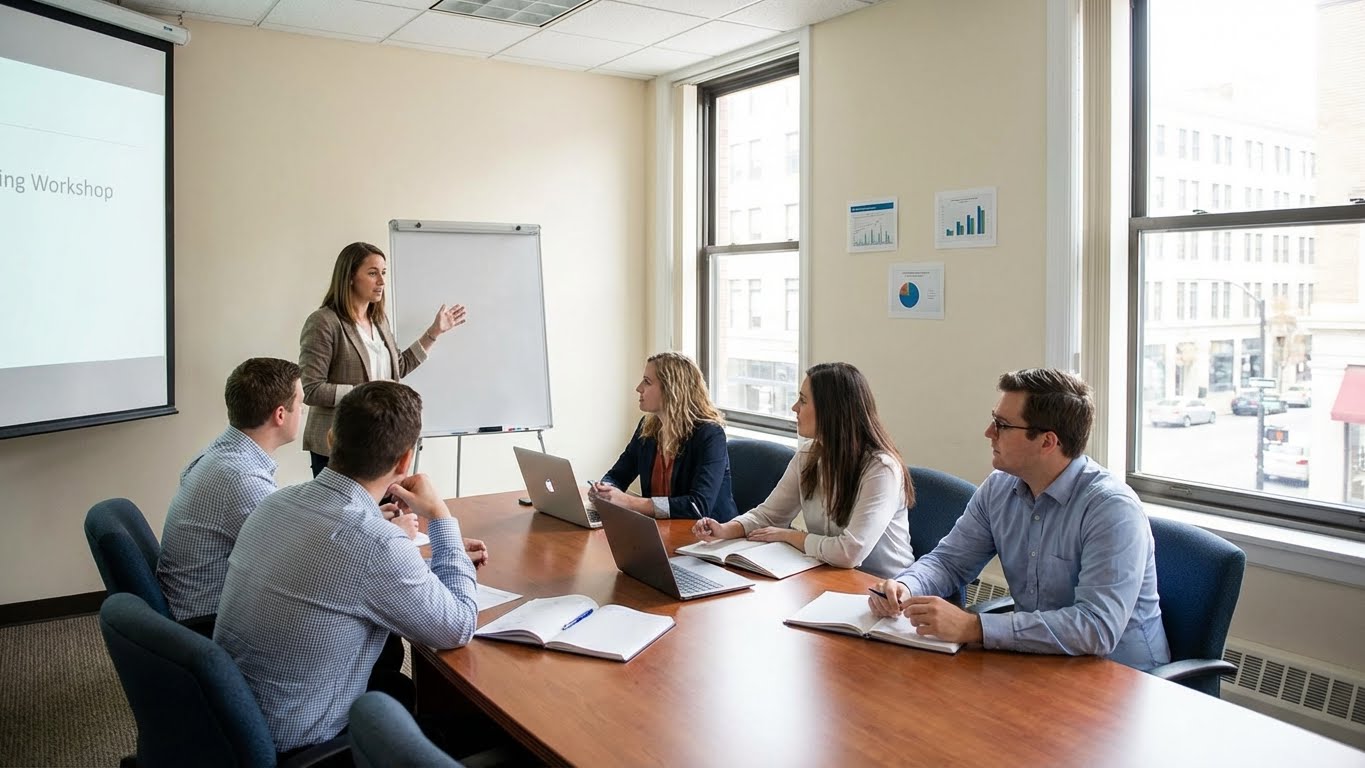
These activities focus on improving technical and soft skills that employees need to perform better and grow professionally.
- Instructor-Led Training Workshops
These are structured sessions led by experienced trainers or subject experts. They help employees learn new concepts, tools, or processes in an interactive environment. - Online Learning Courses and Certifications
Online courses allow employees to learn at their own pace. Certifications help validate skills and increase employee confidence and credibility. - Microlearning Sessions for Quick Skill Upgrades
Microlearning involves short learning sessions focused on specific skills or topics. These are easy to fit into daily work schedules. - Cross-Functional Training Programs
These programs allow employees to learn about different departments and roles. This improves collaboration and broadens skill sets. - Technical Skill Bootcamps
Bootcamps are intensive learning programs focused on technical skills. They are useful for upskilling employees in areas like software, data, or engineering. - Soft Skills Development Programs
These programs focus on communication, teamwork, leadership, and time management. Soft skills are essential for long-term career success.
Career Growth & Advancement Activities

Career-focused activities help employees see a clear future within the organization.
- Individual Development Plans (IDPs)
IDPs are personalized plans that outline employee goals, required skills, and development actions. They provide clarity and direction for career growth. - Internal Job Rotations
Job rotations allow employees to work in different roles or departments. This helps them gain new skills and understand the organization better. - Career Pathing and Progression Frameworks
Clear career paths show employees how they can grow within the organization. This reduces uncertainty and improves retention. - Succession Planning Programs
These programs prepare employees for future leadership roles. They show employees that the organization trusts and values their potential. - Internal Promotion and Mobility Programs
Promoting from within encourages employees to stay and grow rather than look for external opportunities.
Coaching & Mentorship Activities

Coaching and mentorship support personal growth and professional guidance.
- One-on-One Mentoring Programs
Experienced employees guide less experienced team members. This helps with skill development and confidence building. - Peer-to-Peer Mentoring Initiatives
Employees at similar levels share knowledge and experiences. This creates a supportive learning culture. - Leadership Coaching for High-Potential Employees
Leadership coaching helps employees develop management and decision-making skills needed for senior roles. - Reverse Mentoring Programs
Junior employees mentor senior staff on topics like technology or new trends. This promotes mutual learning and respect.
Collaboration & Knowledge-Sharing Activities

These activities encourage teamwork and continuous learning.
- Lunch-and-Learn Sessions
Informal learning sessions where employees share knowledge during lunch breaks. They promote learning without disrupting work schedules. - Knowledge-Sharing Workshops
Employees or experts share insights, best practices, and lessons learned. This reduces knowledge gaps. - Internal Communities of Practice
Groups focused on specific skills or interests encourage collaboration and continuous improvement. - Cross-Team Project Collaborations
Employees work on projects outside their regular teams. This improves problem-solving skills and teamwork.
Leadership & Management Development Activities

Leadership development helps build strong managers and future leaders.
- First-Time Manager Training Programs
These programs prepare employees for management roles and help them handle responsibilities effectively. - Leadership Development Workshops
Workshops focus on strategic thinking, people management, and decision-making skills. - Shadowing Senior Leaders
Employees observe senior leaders to understand leadership responsibilities and organizational decision-making. - Decision-Making and Problem-Solving Simulations
Simulations provide real-world scenarios to practice leadership and critical thinking skills.
Engagement & Experiential Learning Activities

Hands-on learning experiences improve engagement and confidence.
- Stretch Assignments and Special Projects
Employees take on challenging tasks beyond their regular roles. This helps them grow and stay motivated. - Conferences, Seminars, and Industry Events
External events expose employees to new ideas, trends, and professional networks.
How to Implement Professional Development Activities Successfully
Successful implementation requires planning and commitment.
Key steps include:
- Identifying skill gaps and development needs
- Creating a structured learning roadmap
- Encouraging managers to support employee learning
- Providing time and resources for development
- Monitoring participation and progress
When development activities are supported by leadership, employees are more likely to engage actively.
Measuring the Impact of Professional Development on Retention
Measuring results helps organizations understand what works and what needs improvement.
Common ways to measure impact include:
- Tracking employee retention and turnover rates
- Monitoring engagement and performance levels
- Collecting employee feedback and surveys
- Reviewing internal promotion and mobility data
These insights help improve future professional development initiatives.
Common Mistakes to Avoid in Professional Development Programs
Avoiding common mistakes ensures better outcomes.
Some common mistakes include:
- Using a one-size-fits-all approach
- Focusing only on technical skills
- Lack of leadership involvement
- Ignoring employee feedback
- Not measuring results
Addressing these issues improves program effectiveness and retention.
Conclusion
Professional development activities play a critical role in improving employee retention. When employees feel supported in their growth, they are more engaged, motivated, and loyal to the organization. By offering the right mix of learning, career growth, mentorship, and leadership development activities, organizations can create a strong culture of continuous learning. Investing in employee development is not just about skills—it is about building long-term relationships and a committed workforce.