

Performance management is one of the most important systems in any organization. In 2026, businesses are dealing with remote teams, fast-changing skills, and higher employee expectations. Because of this, managing performance is no longer limited to annual reviews or ratings. It has become a continuous and structured process that helps employees grow while supporting business goals. This guide explains what performance management is, how it works, why it matters, and how organizations can build an effective system for the modern workplace.
What Is Performance Management?
Performance management is a continuous process used by organizations to plan, monitor, evaluate, and improve employee performance. Its main purpose is to ensure that employees’ work aligns with company goals and that individuals receive the guidance they need to perform better.
Performance management is not only about measuring results. It also focuses on how work is done, how employees develop skills, and how managers support their teams. Unlike one-time evaluations, performance management runs throughout the year and adapts as goals, roles, or business needs change.
Objectives of Performance Management
The objectives of performance management focus on both organizational success and employee development. A clear system helps businesses stay aligned while supporting people in their roles.
Key objectives include:
- Aligning individual and team goals with organizational goals
- Improving overall productivity and work quality
- Identifying strengths and areas for improvement
- Supporting learning, development, and career growth
- Encouraging accountability and clear expectations
Performance Management vs Performance Appraisal

Performance appraisal is a part of performance management, but the two are not the same. Performance appraisal usually refers to a formal review conducted once or twice a year. It often focuses on past performance and uses ratings.
Performance management, on the other hand, is an ongoing process. It includes goal setting, regular feedback, performance tracking, development planning, and reviews. Modern organizations are moving away from only annual appraisals because they do not provide timely feedback or support continuous improvement.
Key Components of an Effective Performance Management System
Goal Setting
Goal setting is the foundation of performance management. Clear goals help employees understand what is expected of them and how their work contributes to business success.
Important aspects of goal setting include:
- Setting clear, measurable, and realistic goals
- Aligning individual goals with team and company goals
- Balancing short-term objectives with long-term priorities
Continuous Feedback
Continuous feedback helps employees improve while work is still in progress. It allows managers to guide performance and recognize achievements regularly.
Effective feedback includes:
- Regular check-ins instead of yearly discussions
- Feedback from managers, peers, and sometimes customers
- A mix of formal reviews and informal conversations
Performance Monitoring
Performance monitoring involves tracking progress toward goals over time. It helps managers and employees stay informed and make adjustments when needed.
Monitoring performance usually includes:
- Tracking tasks, outcomes, and milestones
- Using KPIs and performance data
- Maintaining records to support fair evaluations
Performance Evaluation
Performance evaluation compares actual results with expected outcomes. It helps organizations understand performance levels and make informed decisions.
Key points in evaluation include:
- Reviewing both results and behaviors
- Using qualitative and quantitative data
- Reducing bias through clear criteria and documentation
Development Planning
Development planning focuses on improving future performance. It links performance outcomes with learning and career growth opportunities.
Development planning may involve:
- Identifying skill gaps and training needs
- Creating learning and development plans
- Supporting career progression and succession planning
Types of Performance Management Systems
Traditional Performance Management
Traditional systems rely on annual reviews and performance ratings. These systems are structured but often lack flexibility.
Key characteristics include:
- Yearly or biannual reviews
- Rating scales and rankings
- Limited ongoing feedback
Continuous Performance Management
Continuous performance management focuses on regular communication and real-time feedback. It is well-suited for fast-changing work environments.
Common features include:
- Frequent check-ins
- Ongoing goal adjustments
- Focus on coaching rather than rating
OKR-Based Performance Management
OKR-based systems use objectives and key results to define and track performance. They help employees stay focused on outcomes.
Main elements include:
- Clear objectives that define what needs to be achieved
- Measurable key results to track progress
- Regular reviews and updates
Competency-Based Performance Management
Competency-based systems evaluate employees based on skills, behaviors, and capabilities, not just results.
These systems focus on:
- Core job-related competencies
- Behavioral expectations
- Long-term capability development
Performance Management Process: Step-by-Step
Planning Performance
Planning performance involves defining roles, responsibilities, and expectations at the start of a performance cycle.
This stage includes:
- Setting performance standards
- Defining goals and priorities
- Clarifying roles and responsibilities
Monitoring Performance
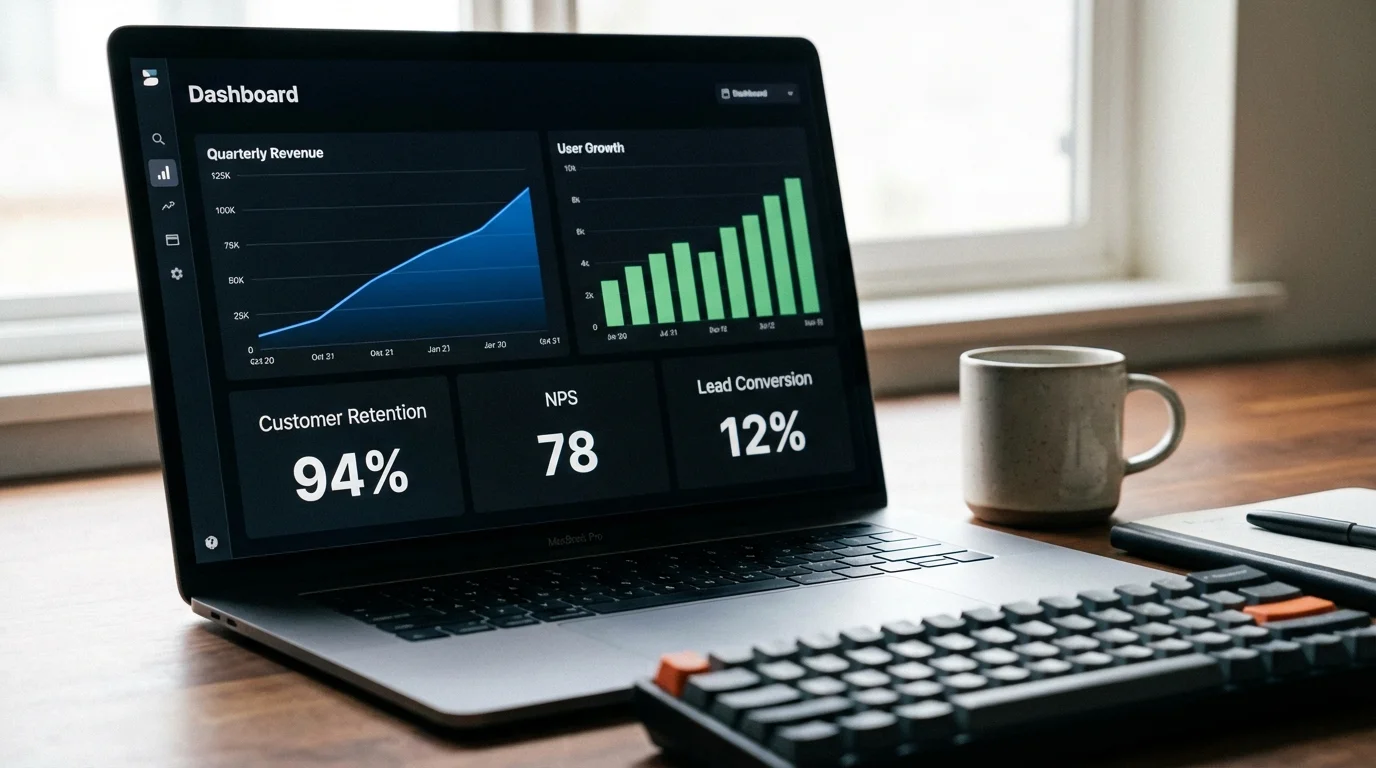
Monitoring ensures that performance stays on track throughout the year. Managers observe progress and provide support when needed.
This step involves:
- Regular check-ins
- Tracking progress against goals
- Identifying issues early
Reviewing Performance
Performance reviews provide structured opportunities to discuss progress, challenges, and results.
Reviews typically include:
- Performance discussions
- Use of data and feedback
- Reflection on achievements and gaps
Rewarding Performance
Rewarding performance motivates employees and reinforces positive behaviors.
Rewards may include:
- Financial incentives
- Recognition and appreciation
- Career growth opportunities
Improving Performance
Improving performance focuses on addressing gaps and supporting growth.
This may involve:
- Performance improvement plans
- Coaching and mentoring
- Additional training and support
Role of Managers in Performance Management
Managers play a central role in performance management. Their actions directly influence employee engagement and results.
Manager responsibilities include:
- Setting clear expectations
- Providing regular feedback and guidance
- Supporting motivation and development
- Addressing underperformance constructively
Role of Employees in Performance Management
Employees are active participants in the performance management process. Their involvement is essential for success.
Employee responsibilities include:
- Taking ownership of goals and outcomes
- Seeking feedback and acting on it
- Participating in performance discussions
- Focusing on continuous learning
Performance Management Tools and Software
Performance management tools help organizations manage goals, feedback, reviews, and data efficiently. In 2026, many systems use automation and analytics to improve accuracy and insights.
Common features include:
- Goal tracking and alignment
- Feedback and review management
- Performance analytics and reporting
Performance Management Metrics and KPIs
Metrics and KPIs help organizations measure performance objectively. They provide data-driven insights into individual and team contributions.
Common metrics include:
- Individual productivity and quality metrics
- Team performance indicators
- Behavioral and outcome-based KPIs
Challenges in Performance Management
Despite its benefits, performance management can face several challenges that reduce effectiveness.
Common challenges include:
- Unclear or unrealistic goals
- Infrequent or poor-quality feedback
- Bias in evaluations
- Resistance to new systems
- Managing remote and hybrid teams
Best Practices for Performance Management in 2026
Best practices focus on flexibility, transparency, and employee development.
Effective practices include:
- Emphasizing continuous improvement
- Encouraging open communication
- Using data to support decisions
- Customizing approaches for different roles
- Aligning performance management with company culture
Performance Management for Remote and Hybrid Teams
Remote and hybrid work require thoughtful performance management approaches. Trust and clarity are critical in these environments.
Key practices include:
- Clear expectations and deliverables
- Outcome-focused performance measurement
- Regular virtual check-ins and feedback
- Using collaboration and performance tools
Benefits of a Strong Performance Management System
A well-designed performance management system creates value for both employees and organizations.
Key benefits include:
- Higher employee engagement
- Improved productivity and efficiency
- Better retention and talent development
- Stronger alignment with business goals
- A culture of continuous learning
Conclusion
Performance management in 2026 is no longer about annual reviews or simple ratings. It is a continuous, structured process that supports both business success and employee development. By setting clear goals, providing regular feedback, tracking performance, and focusing on growth, organizations can build a strong performance-driven culture. A modern performance management system helps employees succeed, keeps teams aligned, and prepares businesses for future challenges.